 Cyrille Patenaude
 Preschool star craft activities offer a unique blend of creativity and learning, fostering imagination and developing essential skills. These engaging projects seamlessly integrate artistic expression with age-appropriate learning objectives, providing a stimulating and enriching experience for young children. The hands-on nature of these crafts encourages exploration, problem-solving, and fine motor skill development, making them a valuable addition to any preschool curriculum. Through the exploration of diverse materials and techniques, children gain confidence in their abilities and develop a lifelong appreciation for artistic expression. The adaptable nature of preschool star-themed crafts allows for customization to various learning goals, making them a versatile tool for educators.
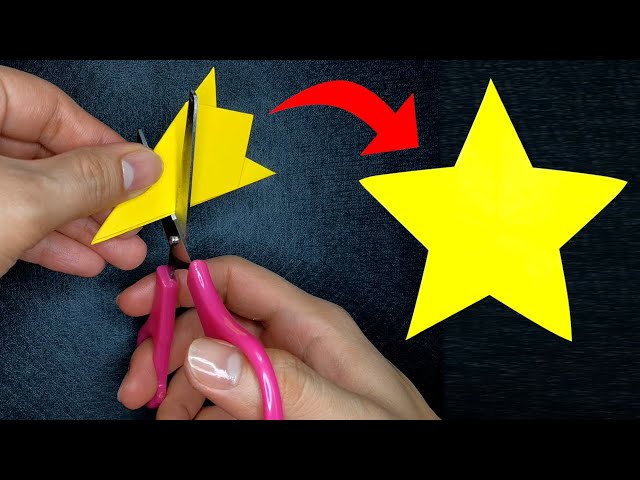
Preschool star crafts provide a fun and educational way to introduce young children to the wonders of space. The projects can range from simple star-shaped cutouts to more complex constellations or rocket ships, encouraging creativity and fine motor skill development. Moreover, these crafts often incorporate learning opportunities about shapes, colors, and even basic science concepts related to stars and planets. The hands-on nature of these activities promotes active learning and helps children retain information better than passive methods. By allowing children to create their own star-themed masterpieces, educators can foster a sense of accomplishment and pride, boosting their confidence and self-esteem.
The inherent creativity involved in these projects allows for individual expression and exploration of different artistic techniques. Each child can personalize their craft, expressing their unique vision of the cosmos. Furthermore, the opportunity to collaborate on larger projects, such as creating a collective classroom mural of the night sky, promotes teamwork and social skills. The sensory experiences associated with using various craft materials, from glitter to paint, further enrich the learning process, making it a multi-sensory experience that engages children on multiple levels. Overall, the benefits of incorporating preschool star crafts are numerous, encompassing cognitive, motor, and social-emotional development.
Preschool Star Craft Project Examples and Guidelines
The following examples illustrate the versatility and educational potential of preschool star crafts. Each project is designed to be engaging, age-appropriate, and adaptable to different skill levels. The step-by-step instructions ensure easy implementation within a preschool setting, allowing educators to tailor the projects to meet individual student needs. The projects vary in complexity and time commitment, providing options for short, focused activities as well as longer, more involved projects. These activities can be used to teach a wide range of subjects within the curriculum.
Star-Shaped Sun Catchers (Estimated Time
- Trace star shapes onto colored cellophane sheets.
- Cut out the star shapes.
- Glue the stars onto black construction paper.
- Add glitter glue for extra sparkle.
- Hang the sun catchers in a sunny window.
Constellation Collages (Estimated Time
- Provide black construction paper and various materials (glitter, pasta, buttons).
- Discuss constellations and show pictures.
- Let children glue materials to represent stars and constellations.
- Add labels or names of constellations if appropriate.
- Display the finished collages.
Paper Plate Rockets (Estimated Time
- Provide paper plates, construction paper, markers, glue, and other craft supplies.
- Guide children in cutting and shaping the paper plates into rockets.
- Allow them to decorate their rockets with markers, paint, or other materials.
- Add details such as windows, flames, and fins.
- Display the rockets or have a classroom rocket launch.
Salt Dough Star Ornaments (Estimated Time
- Mix salt dough (flour, salt, water).
- Roll out the dough and use cookie cutters to create star shapes.
- Use straws to poke holes for hanging.
- Bake the ornaments until hard.
- Let the ornaments cool completely before decorating with paint and glitter.
Handprint Star Prints (Estimated Time
- Have children paint their hands with various colors.
- Press their hands onto the paper to create star-like shapes.
- Add details like glitter or small drawings.
- Let them dry.
- Display the prints.
Preschool star crafts are more than just fun activities; they are valuable tools for early childhood education. They provide hands-on experiences that encourage creativity, problem-solving, and fine motor skill development. The open-ended nature of many projects allows for individual expression and exploration, fostering a sense of accomplishment and pride in young children.
The engaging nature of these crafts captures children’s imaginations and stimulates their interest in learning, making these activities effective tools for integrating educational concepts into a playful context. By incorporating a variety of materials and techniques, educators can cater to diverse learning styles and preferences. The lasting impact of these crafts extends beyond the activity itself, fostering a lifelong appreciation for creativity and self-expression.
Tips for Successful Preschool Star Crafts
Successful preschool star crafts require careful planning and execution. Consider the developmental stage of the children, choosing activities that are challenging but not frustrating. Provide clear and concise instructions, breaking down complex tasks into smaller, manageable steps. Remember to foster a supportive and encouraging environment that celebrates creativity and individual expression, regardless of skill level.
A well-organized workspace is also crucial, ensuring easy access to all necessary materials. Prioritize safety by selecting non-toxic and age-appropriate materials, and supervise children closely throughout the activities to prevent accidents. Remember to showcase the children’s finished masterpieces, providing opportunities for them to share their creations and feel a sense of pride in their work. This can be achieved through classroom displays, parent presentations, or even a dedicated “star craft gallery”.
-
Age-Appropriate Materials:
Choose non-toxic, child-safe materials suitable for the age group. Consider materials that are easy to handle and manipulate for little hands. This ensures safety and promotes independent participation. Avoid small parts that could pose a choking hazard, and select paints and glues that are washable and non-toxic.
-
Clear Instructions:
Provide clear, concise, and age-appropriate instructions. Break down complex tasks into simpler steps to make the process more manageable for young children. Use visual aids such as pictures or demonstrations to supplement verbal instructions. This makes the activity accessible to children with diverse learning styles and abilities.
-
Creative Freedom:
Encourage creativity and self-expression. Allow children to personalize their projects, choosing their own colors, designs, and materials. Provide a variety of options to inspire their imagination and avoid imposing strict guidelines that stifle creativity. The emphasis should be on exploring and expressing their individual ideas.
-
Focus on Process, Not Product:
Emphasize the process of creating the craft over the final product. Encourage children to enjoy the activity and appreciate their efforts, regardless of the outcome. This fosters a positive learning environment and builds self-confidence. Praise effort and participation, not just the perfection of the final result.
-
Clean-Up Routine:
Establish a clear clean-up routine at the beginning of the activity. Involve children in the clean-up process to teach responsibility and teamwork. This ensures a smooth transition to other activities and maintains a tidy workspace. Make clean-up fun and engaging through songs or games.
Preschool star crafts are an essential component of a well-rounded early childhood education program. They offer a wonderful opportunity to enhance learning through playful exploration and artistic expression. The hands-on nature of these activities promotes a deeper understanding of concepts and enhances fine motor skills, ultimately fostering a love of learning from a young age. Furthermore, the social interaction involved in collaborative projects helps build teamwork and communication skills.
By thoughtfully planning and implementing these activities, educators can create enriching and engaging experiences that nurture creativity, encourage exploration, and foster a lifelong appreciation for art and learning. The unique blend of educational value and creative fun makes preschool star crafts a truly valuable tool for shaping young minds.
Frequently Asked Questions about Preschool Star Crafts
Educators and parents frequently have questions about implementing preschool star crafts effectively. Addressing these common queries can ensure a successful and rewarding experience for all involved. The answers provided below aim to offer clear guidance and promote best practices, fostering an environment where children thrive and develop their creative potential.
What types of materials are best suited for preschool star crafts?
Non-toxic, washable paints, construction paper, glitter, glue sticks, felt, and other safe, easy-to-handle materials are ideal. Avoid small parts that could pose a choking hazard and always supervise children closely during craft time. Opt for materials that are readily available and affordable, making these activities accessible to all preschool settings. Consider incorporating recycled materials for added environmental awareness.
How can I adapt star crafts for children with different abilities?
Adaptations should focus on providing appropriate levels of support and scaffolding. For children with fine motor challenges, provide pre-cut shapes or larger tools. For children with visual impairments, use tactile materials or offer verbal descriptions. Collaborate with therapists or specialists to create personalized adaptations as needed. The goal is to ensure all children can participate and experience the joy of creating.
How can I incorporate star crafts into the broader curriculum?
Integrate these crafts with science lessons about space, math lessons on shapes and counting, or literacy lessons focusing on star-related stories and poems. Connect the crafts to relevant themes, such as seasons, holidays, or current events. Creating thematic links strengthens learning and reinforces concepts across subjects. Document the process and the children’s creations to showcase their learning journey.
How can I assess children’s learning through star crafts?
Observe their participation, problem-solving skills, fine motor dexterity, and creative expression. Look for evidence of understanding the concepts taught through the craft. Anecdotal notes and photographs can document progress and learning outcomes. Consider creating a portfolio for each child showcasing their creations and demonstrating their growth over time. This allows for formative assessment and informs future planning.
Preschool star crafts provide a powerful tool for early childhood development. The hands-on nature of these activities promotes critical thinking, problem-solving, and fine motor skills, all essential for overall growth and learning. The ability to combine creativity with educational objectives makes these crafts a vital element in a well-rounded preschool program.
Furthermore, the positive social-emotional benefits, such as building confidence and fostering a sense of accomplishment, cannot be overstated. These crafts provide a valuable and engaging learning opportunity that benefits children in numerous ways, strengthening their skills, creativity, and self-esteem.
Key Aspects of Preschool Star Crafts
Analyzing the keyword “preschool star craft” as a noun phrase reveals several key aspects: “preschool” denotes the developmental stage, “star” signifies the theme, and “craft” indicates the activity type. These facets, when considered together, highlight the educational value and practical application of these activities within a preschool setting.
Developmental Appropriateness
Preschool star crafts are carefully designed to align with the developmental stages and capabilities of young children. This involves selecting age-appropriate materials, simplifying instructions, and providing opportunities for self-expression and exploration. Activities are structured to challenge skills gradually, fostering a sense of accomplishment and confidence in young learners.
Thematic Focus
The “star” theme provides a rich context for learning and exploration. This focus encourages children’s curiosity about space and science while providing opportunities to integrate learning across multiple subjects. The thematic nature adds context to the crafts, making them more meaningful and engaging for young learners.
Creative Expression
The “craft” element emphasizes the importance of creative exploration and self-expression. Children are encouraged to personalize their projects, fostering their individual style and creativity. This emphasis allows children to express themselves freely and develop their artistic skills. The focus on individual expression is key to building self-esteem and confidence.
Skill Development
Preschool star crafts actively promote fine motor skill development, hand-eye coordination, and problem-solving abilities. The act of cutting, gluing, painting, and manipulating various materials strengthens these essential skills. These hands-on activities have a significant impact on a child’s physical and cognitive development.
The interplay between these key aspects creates a dynamic and engaging learning experience. By focusing on the developmental stage, thematic engagement, and creative expression, preschool star crafts serve as valuable educational tools. The integration of diverse skills development further reinforces the holistic benefit of these activities for young children.
Preschool star crafts offer a unique blend of fun and education. The hands-on nature of these activities promotes active learning, encourages creativity, and fosters essential skill development. By carefully selecting age-appropriate materials and providing clear instructions, educators can create an engaging and enriching experience for young children.
In conclusion, preschool star crafts are more than just simple arts and crafts; they’re a valuable pedagogical tool that supports cognitive, social-emotional, and motor development. The creative freedom, thematic engagement, and focus on age-appropriate learning make them an integral part of a successful early childhood education program.
Youtube Video: