 Cyrille Patenaude
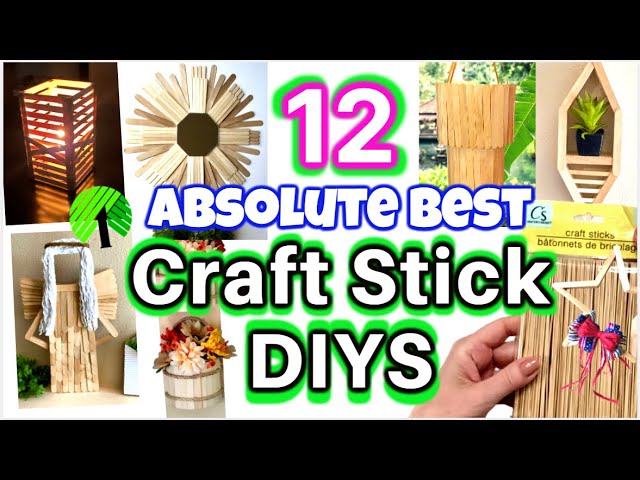
 Craft stick art projects offer a versatile and engaging medium for creative expression, suitable for individuals of all ages and skill levels. These projects utilize readily available and inexpensive materials, fostering resourcefulness and minimizing environmental impact. The simplicity of the materials allows for a wide range of artistic exploration, from intricate designs to simple, charming creations. The resulting crafts can serve as decorative items, functional tools, or thoughtful gifts, providing both artistic satisfaction and practical utility. This exploration will delve into various craft stick art project ideas, providing step-by-step instructions and helpful tips.
The accessibility of craft sticks makes them an ideal material for introducing children to the world of art and crafting. The tactile nature of the material helps develop fine motor skills and hand-eye coordination. Furthermore, the process of transforming simple sticks into unique creations cultivates patience, focus, and problem-solving skills. Many craft stick projects can be adapted to different skill levels, allowing for both beginners and experienced crafters to find enjoyment and challenge. These projects also offer opportunities for collaborative creation, enhancing social interaction and teamwork.
The affordability of craft sticks contributes to their widespread use in educational settings and community programs. Schools and organizations often incorporate craft stick projects into their curriculum or activities due to their low cost and potential for engaging learning experiences. The diverse range of projects that can be created allows for integration with various subjects and themes, enhancing the educational value of these simple craft materials. The minimal mess involved with craft sticks makes them a practical choice for classrooms and other group settings, adding to their suitability in various contexts.
Craft Stick Art Project Examples and Guidelines
This section outlines several craft stick art project ideas, providing detailed instructions for creating each item. Each project is designed to showcase the versatility of craft sticks and inspire readers to explore their own creative potential. The projects vary in complexity and estimated time, allowing for choices suitable to different skill levels and time commitments. The use of readily available materials ensures accessibility for all participants, regardless of location or resources.
Miniature Fence
(Estimated time: 15-20 minutes) This simple project is perfect for beginners and young children. It teaches basic construction skills and allows for creative embellishments.
- Gather several craft sticks.
- Glue the sticks together vertically to create a fence-like structure.
- Allow the glue to dry completely.
- Optional: Decorate the fence with paint, markers, or small craft items.
Simple Picture Frame
(Estimated time: 30-40 minutes) A functional and decorative project suitable for displaying photos or artwork.
- Arrange craft sticks to form a square or rectangle.
- Glue the sticks together to create a frame.
- Allow the glue to dry.
- Decorate the frame or add a backing to hold a picture.
Colorful Coasters
(Estimated time: 45-60 minutes) These coasters add a touch of handmade charm to any table setting.
- Glue craft sticks together in a square or circular pattern.
- Paint the coasters with vibrant colors.
- Add a layer of sealant for protection.
- Allow the sealant to dry completely.
Three-Dimensional Star
(Estimated time: 1 hour) A more complex project that challenges spatial reasoning skills.
- Cut craft sticks to various lengths.
- Glue the sticks together to form a three-dimensional star shape.
- Allow the glue to dry completely.
- Paint or decorate the star as desired.
Craft Stick House
(Estimated time: 1-2 hours) This allows for creative architectural exploration.
- Cut craft sticks to form walls, roof, and other house features.
- Glue the pieces together to build a miniature house.
- Add details like windows, doors, and a chimney.
- Paint and decorate the house to create your own unique style.
Personalized Nameplate
(Estimated time: 30 minutes) A simple and personalized craft project.
- Glue craft sticks together to form a rectangular shape.
- Paint the nameplate with a base color.
- Use markers or paint to write a name or message on the nameplate.
- Add decorative elements like glitter or stickers.
Craft stick projects provide a unique opportunity to integrate art with other subjects, especially in educational settings. For instance, a craft stick project can be paired with a lesson on geometry or history, further enhancing engagement and understanding. This hands-on approach caters to different learning styles and encourages experimentation within a safe and supportive environment. The projects also encourage children to use their imaginations and develop their own creative solutions to challenges posed by the project itself.
The adaptability of craft stick art projects allows for easy customization and personalization. Whether it is adding personal touches to a frame, creating miniature structures, or using various color combinations to create a unique design, the possibilities are endless. These are not just art projects but opportunities for self-expression and skill development, contributing to a sense of accomplishment and satisfaction in the creator.
Tips for Successful Craft Stick Art Projects
These tips provide guidance to enhance the creation of engaging and visually appealing craft stick art projects. These suggestions will help in achieving desired outcomes, from strengthening the structure to improving the aesthetics of the finished product. Following these guidelines ensures a more satisfying and efficient craft process for all skill levels.
Proper preparation and planning are essential for achieving a high-quality outcome.
-
Choose the right glue:
Using a strong adhesive is crucial for ensuring the structural integrity of the project. Wood glue or hot glue are good options, depending on the project’s complexity and the age of the crafter. Ensure the glue is appropriate for the materials used and is applied correctly to avoid damaging the craft sticks or creating an uneven finish.
-
Prepare your workspace:
A clean, well-organized workspace is essential for a smooth and efficient crafting experience. Have all necessary materials readily available to minimize interruptions and distractions. Protecting your work surface with a drop cloth or newspaper prevents accidental spills or damage.
-
Sand rough edges:
Sanding down any rough edges on the craft sticks before beginning the project improves the overall finish and prevents splinters. This step is particularly important for projects that will be handled frequently or by young children. This detail adds to the professionalism and safety of the final product.
-
Use protective coatings:
Applying a sealant or varnish to finished projects can protect them from moisture and wear, extending their lifespan. This protective layer enhances the durability and longevity of the craft, allowing for greater enjoyment and longer-lasting use. Various finishes can be selected to suit both the aesthetic and functionality.
-
Embrace creativity:
Don’t be afraid to experiment with different techniques, materials, and designs. The most rewarding craft stick art projects often result from unconstrained creativity and exploration. Encouraging experimentation fosters innovation and a unique artistic perspective.
Careful planning and attention to detail are essential for creating high-quality craft stick art projects. The process encourages patience and precision, while the use of readily available and cost-effective materials makes these projects accessible to all. The final outcome, whether functional or decorative, offers a sense of personal satisfaction and accomplishment.
The collaborative nature of many craft stick projects enhances the overall experience. Working on projects with friends, family, or classmates promotes teamwork, communication, and shared creativity. The experience is enriched by the shared effort and the collective outcome.
Frequently Asked Questions about Craft Stick Art Projects
This section addresses common questions regarding craft stick art projects, providing comprehensive answers to enhance understanding and troubleshooting abilities. This knowledge assists in overcoming potential challenges and allows for a smoother and more efficient creative process for both beginners and seasoned craftspeople.
-
What type of glue is best for craft stick projects?
Wood glue or hot glue are excellent choices, offering strong bonds. The best option depends on the project’s complexity and the crafter’s experience level. Wood glue provides a more robust bond for structural projects, while hot glue is faster for simpler designs. Always follow the manufacturer’s instructions for application and drying times.
-
How can I prevent craft sticks from warping?
Warpage can occur due to changes in humidity or improper drying techniques. Ensuring the sticks are fully dry before glue application minimizes warping. A sealant or varnish also helps reduce warping by creating a moisture barrier. Proper storage conditions help maintain the integrity of the craft sticks and prevent damage.
-
What kinds of paint work best on craft sticks?
Acrylic paints are ideal due to their quick drying time and vibrant colors. Tempera paints are another suitable option, particularly for younger children due to their non-toxicity. Always test a small area before applying paint to the entire project to ensure color compatibility and coverage.
-
Can I use craft sticks outdoors?
While craft sticks are relatively durable, prolonged exposure to the elements may lead to damage. For outdoor use, always apply a protective sealant or varnish to safeguard against moisture and UV rays. This added protection extends the life of the outdoor craft and preserves its appearance for longer periods.
-
Where can I find craft sticks?
Craft sticks are readily available at most craft stores, dollar stores, and online retailers. They are also commonly found in ice cream shops and some restaurants. Their affordability and accessibility contribute to their widespread use in a variety of craft projects.
Craft stick projects’ accessibility and versatility promote inclusivity within the arts and crafts community. Their low cost allows participation regardless of socioeconomic background, while the variety of project ideas caters to different skill levels and interests. The ease of cleaning and the minimal required space contribute to their suitability for many contexts.
These projects are more than just crafts; they are vehicles for learning, self-expression, and community building. The creative process involved fosters valuable skills, while the finished products provide both personal satisfaction and often practical application. The impact extends beyond the creation itself, enriching the lives of participants and fostering a sense of creativity and accomplishment.
Key Aspects of Craft Stick Art Projects
Understanding the multifaceted nature of these projects reveals their significance beyond simple crafts. This section explores core elements that contribute to their educational, artistic, and practical value, expanding on the diverse benefits they offer.
Materials
The readily available and inexpensive nature of craft sticks makes these projects accessible to all. Their simplicity allows for focus on the creative process rather than material acquisition. The natural, sustainable origin of many craft sticks also aligns with environmentally conscious practices. This accessibility is critical for broader participation and affordability.
Techniques
Various methods can be employed, including gluing, painting, staining, and decorating. These techniques enhance the learning experience, fostering hand-eye coordination and fine motor skills. The complexity of the techniques can be easily tailored to different age groups and skill levels, ensuring engagement and a sense of accomplishment.
Creativity
Craft sticks are a blank canvas for endless imagination. They inspire free expression and encourage innovation in design and execution. Projects range from simple creations to intricate designs, accommodating varying levels of artistic experience and ambition. The focus on creativity is invaluable for personal development.
Skill Development
The process develops essential skills such as fine motor skills, problem-solving, and spatial reasoning. These skills are transferable to other areas of life, enhancing overall development and cognitive abilities. The value extends beyond the immediate craft, contributing to broader skillsets.
The integration of various techniques and materials within craft stick projects enhances the complexity and challenges, contributing to a more engaging and satisfying experience. Furthermore, the creation of functional items from simple materials promotes resourcefulness and sustainable practices. The transferability of the learned skills to other art forms emphasizes the project’s broader educational value.
Craft stick projects provide a valuable avenue for self-expression and skill enhancement. The simplicity of materials contrasts with the complexity of designs, offering opportunities for creative exploration and personalized expression. The low cost and ease of access ensure that these projects remain an engaging and valuable activity for individuals and communities alike.
The wide range of potential craft stick art projects ensures that the creativity and learning opportunities are limited only by imagination. From functional items to decorative pieces, the possibilities are vast, providing a sustainable and rewarding artistic medium. The benefits extend across ages and skill levels, making it an accessible and enriching activity for all.
In conclusion, craft stick art projects offer a unique blend of accessibility, creativity, and educational value, making them a worthwhile endeavor for individuals and groups alike. Their versatility and affordability make them a valuable resource in diverse settings, fostering creativity, skill development, and a sense of accomplishment.
Youtube Video: