 Cyrille Patenaude
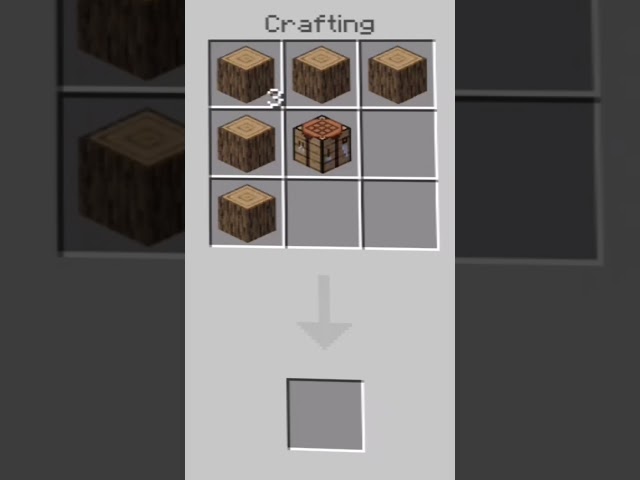
 Minecraft crafting table games offer a unique blend of digital and physical creativity. These activities leverage the familiar interface of the Minecraft crafting table to inspire real-world projects, fostering problem-solving and hands-on engagement. They bridge the gap between virtual and tangible experiences, encouraging children and adults alike to translate digital designs into physical creations. This article explores various examples of these games, providing guidelines and tips for successful implementation. The benefits extend beyond simple crafting, enhancing creativity, spatial reasoning, and fine motor skills.
The concept of Minecraft crafting table games hinges on the inherent structure and logic of the Minecraft crafting system. Players familiar with the game’s mechanics find an intuitive starting point for creative endeavors. The digital environment provides a blueprint, while the physical world offers the materials and the satisfying act of creation. This translates into a multitude of potential projects, limited only by imagination and available resources. Furthermore, the process encourages collaborative play and shared learning experiences.
Adapting the digital recipes to physical materials requires careful consideration of scale and material properties. Understanding the principles of design and construction within the Minecraft framework enhances the translation to real-world projects. The emphasis on resource management and planning present in the game carries over into the physical crafting process, further emphasizing planning and problem-solving skills. Successfully completing these projects provides a profound sense of accomplishment.
Minecraft Crafting Table Games
This section outlines several example projects inspired by the Minecraft crafting table, each offering a unique challenge and learning experience. These projects range in complexity and required materials, providing options suitable for various skill levels and age groups. Each project includes estimated completion times to aid in planning and managing expectations. The focus remains on translating the digital logic of Minecraft crafting into tangible creations.
Miniature Minecraft House (Estimated Time
This project involves constructing a small-scale replica of a Minecraft house using cardboard, paint, and other readily available materials. The goal is to faithfully recreate the block-based design of a simple Minecraft structure.
- Design a simple Minecraft house using the game’s building mechanics as a guide.
- Gather cardboard boxes of appropriate sizes to represent different blocks.
- Cut and shape the cardboard to match the design of your Minecraft house.
- Assemble the cardboard pieces using glue or tape.
- Paint and decorate the house to resemble the aesthetic of Minecraft.
Crafting Table Diorama (Estimated Time
Create a miniature diorama depicting a Minecraft crafting table and its surrounding environment using clay, small figurines, and natural materials.
- Mold a small crafting table from clay.
- Create miniature trees, plants, and other elements from clay and natural materials.
- Arrange the elements to create a scene around the crafting table.
- Add small figurines to represent characters from Minecraft.
- Display the completed diorama in a suitable container or setting.
Minecraft Pixel Art (Estimated Time
Recreate iconic Minecraft images using colored blocks or beads, mimicking the pixelated aesthetic of the game.
- Choose a simple Minecraft image, such as a creeper or a block of dirt.
- Gather colored blocks or beads in colors that correspond to the image.
- Arrange the blocks or beads to recreate the pixelated image.
- Secure the blocks or beads in place using glue or another suitable method.
- Display the finished pixel art on a flat surface.
The appeal of Minecraft crafting table games lies in their ability to combine digital and physical engagement in a creative and constructive way. They offer a tangible outlet for the creativity sparked by the virtual world of Minecraft, allowing for a deeper understanding and appreciation of design principles and problem-solving strategies. These activities often encourage collaborative efforts, fostering teamwork and communication skills.
Furthermore, the success of these projects hinges on careful planning and execution. Each step, from design to completion, requires attention to detail and the ability to adapt to unforeseen challenges. This mirrors the challenges faced within the game itself, helping to develop problem-solving and critical thinking abilities in a fun and engaging manner. The completed projects serve as a testament to the participant’s creative vision and technical skill.
Tips for Successful Minecraft Crafting Table Games
These tips will help ensure a positive and productive experience when engaging in Minecraft crafting table games. Proper preparation and a structured approach are key to maximizing the educational and creative benefits of these activities.
Careful planning and resource management are crucial for successful project completion. Adapting digital designs to physical materials requires attention to scale and material properties.
-
Plan Ahead:
Begin with a clear design and gather all necessary materials beforehand. This helps prevent interruptions and ensures a smoother crafting process. This reduces frustration and allows for a more focused experience. Thorough planning reduces the need for improvisations that may not align with the original vision.
-
Choose Appropriate Materials:
Select materials that are easy to work with and appropriate for the project’s scale and complexity. Consider the durability and aesthetic properties of the materials chosen. The choice of materials greatly influences the final outcome and the overall longevity of the project.
-
Work in Stages:
Break down the project into smaller, manageable steps to make the process less daunting and more rewarding. This structured approach fosters a sense of accomplishment with each milestone achieved. This modular approach minimizes potential errors and allows for easier correction if necessary.
The creative potential of Minecraft crafting table games is vast, offering diverse opportunities for learning and self-expression. The successful completion of these projects fosters a sense of accomplishment, while the process itself hones critical thinking, problem-solving, and design skills. The adaptability of these games ensures a wide range of engagement opportunities, from solo projects to collaborative group activities.
The adaptability and inherent creativity within the Minecraft system translate seamlessly to real-world projects, fostering a unique learning environment. The emphasis on resource management and problem-solving skills developed within the digital realm seamlessly transition into tangible creations, enhancing overall comprehension and skill development. This cross-platform synergy makes Minecraft crafting table games an invaluable tool for both learning and fun.
Frequently Asked Questions about Minecraft Crafting Table Games
This section addresses common questions regarding Minecraft crafting table games, offering clear and concise answers to help facilitate a better understanding of these activities.
What age range are these games suitable for?
Minecraft crafting table games are adaptable to various age groups. Simpler projects are suitable for younger children, while more complex projects can challenge older children and adults. Adult supervision might be necessary for younger participants depending on the project complexity and materials used. The level of complexity can be adjusted to suit individual skill levels and attention spans. Always prioritize safety and age-appropriateness of tools and materials.
What materials are commonly used in these games?
The materials used are highly diverse, depending on the project. Common materials include cardboard, clay, paint, wood, beads, yarn, and other readily available crafting supplies. The choice of materials depends on the desired aesthetic and the project’s complexity. Recycled materials can often be incorporated, adding a sustainable element to the projects. The versatility of these games allows for the integration of various materials, limiting only by imagination and availability.
The overall learning experience from Minecraft crafting table games is multifaceted. The ability to translate digital designs to tangible creations fosters a deeper understanding of spatial reasoning, problem-solving, and creative expression. The collaborative nature of these games allows for sharing of ideas and knowledge, building essential social and communication skills. The accessibility and adaptability of these projects make them a valuable tool in educational and recreational settings.
Furthermore, the iterative nature of these projects allows for experimentation and adaptation. Participants may encounter challenges or unexpected outcomes, encouraging them to problem-solve and adapt their approach. This process of trial and error is integral to the learning experience and fosters resilience. The rewards extend beyond the final product; the journey itself is a significant aspect of the experience.
Key Aspects of Minecraft Crafting Table Games
Analyzing Minecraft crafting table games from a noun perspective reveals several key facets encompassing its creative, educational, and practical implications.
Creativity
This aspect centers on the generation of novel ideas and designs. The Minecraft crafting system acts as a springboard for imaginative projects, allowing for personal expression and unique interpretations. Real-world examples include artistic expression, design innovation, and problem-solving through creative solutions. The creative process itself is a valuable outcome, fostering imagination and promoting self-expression.
Skill Development
These games foster fine motor skills, problem-solving abilities, and spatial reasoning skills. The hands-on nature of these activities enhances dexterity and coordination. Real-world examples include building houses, repairing objects, and creating art. The development of these skills translates into broader life applications, promoting practical competence.
Educational Value
The games provide a fun and engaging way to learn about design, construction, and resource management. They seamlessly integrate learning and play. Real-world examples include using building blocks, constructing puzzles, and playing strategy games. The educational benefits extend to critical thinking, planning, and execution, enhancing analytical thinking capabilities.
Community Engagement
These activities can be enjoyed individually or collaboratively, fostering a sense of community and shared experiences. This aspect involves working together, sharing ideas, and supporting each other in the creative process. Real-world examples include teamwork in construction, collaborative artistic projects, and shared learning experiences. The community aspect promotes collaboration and strengthens social interaction.
The aforementioned key aspects highlight the versatility and diverse benefits associated with Minecraft crafting table games. They illustrate how a simple conceptthe digital crafting tablecan extend to a wide range of creative, educational, and social experiences. These diverse facets make these games appealing and valuable in varied settings. The practical applications and tangible outcomes solidify their significance as a learning tool and fun activity.
In conclusion, Minecraft crafting table games provide a rich blend of digital inspiration and hands-on creation, making them a valuable tool for learning and creative expression. The process engages various cognitive and motor skills, leading to a profound sense of accomplishment. The potential for innovation and personal expression is vast, limited only by imagination and the available resources.
Ultimately, the enduring appeal of Minecraft crafting table games rests on their ability to seamlessly blend digital innovation and tangible creation. The synergistic effect enhances cognitive development and creativity, offering both educational and recreational benefits. Through these activities, participants not only create physical objects but also develop problem-solving and critical thinking skills, resulting in a holistic and rewarding experience.
Youtube Video: