 Cyrille Patenaude
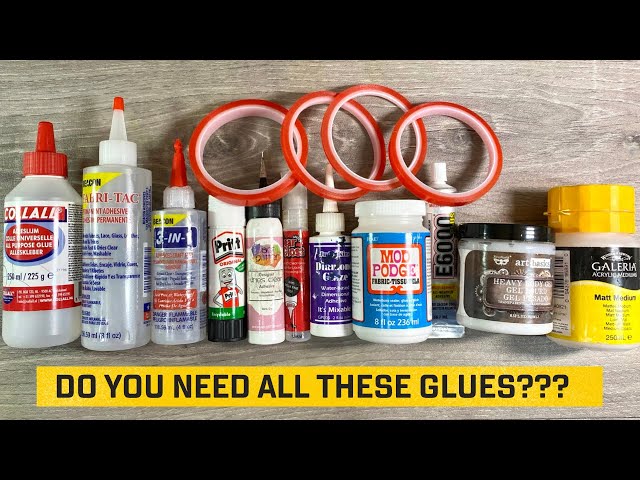
 Understanding the various types of craft glue is crucial for achieving successful and durable results in any crafting project. The selection of the appropriate adhesive significantly impacts the final product’s quality and longevity. Different materials require different adhesive properties for optimal bonding, and a proper understanding of these differences is essential for achieving the desired outcome. This article will explore the diverse world of craft adhesives, providing guidance on selecting the right glue for various applications and showcasing practical examples to illustrate their effective use. Knowing the properties of different types of craft glue will enhance your crafting experience.
The market offers a wide array of craft adhesives, each formulated for specific materials and applications. Factors such as drying time, bonding strength, and material compatibility should guide selection. Some glues are designed for porous materials like wood and paper, while others excel with non-porous materials like glass and metal. Water-based glues are generally considered safer and easier to clean, whereas solvent-based glues often offer stronger bonds. The appropriate choice depends heavily on the projects requirements.
Selecting the correct adhesive type is paramount for a successful craft project. Factors such as the materials being bonded, the desired drying time, the level of strength needed, and the potential for cleanup all play a significant role. Incorrect glue selection can lead to weak bonds, messy applications, or damage to the materials involved. Therefore, careful consideration of these factors before starting a project is highly recommended.
Craft Projects Utilizing Different Types of Craft Glue
This section provides examples of various craft projects, illustrating the appropriate types of craft glue for each application and outlining the steps involved. These examples highlight the diverse range of uses and the importance of selecting the correct adhesive for optimal results, showcasing the versatility and importance of understanding the properties of different types of craft glue.
Paper Flower Garland (PVA Glue)
Estimated time: 30 minutes. This project uses readily available materials and teaches basic paper crafting techniques. It is suitable for beginners.
- Cut various flower shapes from colored paper.
- Layer the shapes, slightly overlapping.
- Apply PVA glue to the edges of the layers.
- Gently press together to secure the layers.
- String the finished flowers together to create a garland.
Wooden Birdhouse (Wood Glue)
Estimated time: 1-2 hours. This project requires basic woodworking skills and appropriate tools. It is suitable for intermediate crafters.
- Cut and shape the wood pieces according to the birdhouse design.
- Apply wood glue to the joints.
- Clamp the pieces together and allow the glue to dry completely.
- Sand and finish the birdhouse as desired.
- Add a small perch and paint if desired.
Fabric Scrap Quilt (Fabric Glue)
Estimated time: 2-3 hours. This project is perfect for recycling fabric scraps. It involves basic sewing techniques for some aspects.
- Cut fabric squares into desired shapes and sizes.
- Arrange the fabric squares into a pattern on a larger piece of fabric.
- Apply fabric glue to the back of each square, ensuring even coverage.
- Press the squares firmly onto the backing fabric.
- Allow to dry completely, then optionally stitch the edges for added durability.
Jewelry Making (Epoxy Glue)
Estimated time: 1-2 hours. This project is suitable for those with some experience in jewelry making and requires precision.
- Prepare jewelry components according to design.
- Apply epoxy glue precisely to the bonding surfaces.
- Carefully clamp or hold the components together until the glue sets.
- Allow to dry completely and thoroughly according to manufacturer’s instructions.
- Once cured, finish and polish as desired.
Mosaic Tile Coasters (Tile Adhesive)
Estimated time: 1.5-2 hours. This project involves working with small tiles and requires patience and care.
- Prepare a coaster base by cleaning and prepping its surface.
- Apply tile adhesive to sections of the base.
- Arrange mosaic tiles onto the adhesive, pressing firmly.
- Allow adhesive to dry completely according to manufacturer instructions.
- Grout the tiles and allow the grout to fully cure.
The correct application of different types of craft glue is key to achieving a successful outcome. Always follow the manufacturer’s instructions carefully, ensuring the glue is applied evenly and the surfaces are clean and dry. Proper ventilation is recommended when using solvent-based adhesives, and safety precautions should always be observed. Understanding the drying times is also crucial for proper bonding.
Different types of craft glue are designed for specific purposes, and utilizing the incorrect adhesive can compromise the integrity and longevity of the final project. Factors like the materials being bonded and the desired strength of the bond will determine the suitable adhesive for a given application. Choosing the right glue helps prevent common problems such as weak bonds, material damage and uneven drying.
Tips for Working with Different Types of Craft Glue
These tips help optimize the craft glue application process and achieve professional results. Proper preparation and technique significantly contribute to the final quality and durability of the craft project. Adhering to these suggestions can significantly improve the outcome of the craft.
Following these guidelines will ensure efficient glue use and optimal project outcomes. Understanding the unique properties of each adhesive type is key to maximizing the quality and durability of your crafts.
-
Clean Surfaces:
Ensure all surfaces are clean, dry, and free of dust or debris before applying any adhesive. This will promote maximum adhesion and prevent weak bonds. Wipe down surfaces with a clean, damp cloth to remove any loose particles. Allow to completely air dry before proceeding.
-
Thin Layers:
Apply thin, even layers of glue to avoid excess adhesive, which can lead to messy results and potentially weaken the bond. Using too much glue may also extend drying times. It’s best to apply a small amount first and add more as needed.
-
Proper Drying Time:
Allow ample drying time for the glue to fully cure. Avoid disturbing the bond during this period to ensure maximum strength. Check the manufacturer’s instructions for the specified drying time to allow for a fully cured bond.
-
Ventilation:
Ensure adequate ventilation, especially when working with solvent-based adhesives. These adhesives often release fumes that can be harmful when inhaled. Work in a well-ventilated area or wear a respirator mask if necessary.
-
Clamp or Weight:
Use clamps or weights to hold materials together while the glue dries, especially for larger or more complex projects. This ensures consistent pressure and improves the bond’s strength and prevents the bonding from shifting. This technique is especially important when bonding wood or other materials that require strong adhesion.
Careful consideration of the type of adhesive and application technique is essential to achieve satisfactory results in crafting. Practicing good technique and understanding the properties of different craft adhesives dramatically impact the final output. The tips outlined here enhance the overall process for optimal adhesion and project quality.
The longevity and aesthetic appeal of any craft are significantly influenced by the appropriate selection and application of the chosen adhesive. Therefore, a good understanding of the different types of craft glue and their specific properties is critical for success in crafting.
Frequently Asked Questions About Types of Craft Glue
This section addresses common questions regarding different types of craft glue, providing clarification and addressing potential concerns. The answers help resolve any uncertainties related to selection and application, aiming for a clearer understanding of the topic.
What type of glue is best for bonding wood?
Wood glue is specifically formulated for bonding wood and offers excellent strength and durability. It is typically a water-based adhesive that provides a strong, lasting bond when applied correctly. Other types of glue might not provide the same strength or longevity, making wood glue the most suitable option for this application.
Can I use PVA glue on fabric?
PVA glue, while versatile, isn’t ideal for fabric due to its potential to stiffen the material. Fabric glue or fabric adhesive is specifically designed for use with textiles and offers flexibility, preventing stiffness. While PVA might work in certain instances, using fabric glue yields better results and preserves the fabric’s drape and texture.
How do I clean up excess glue?
The cleanup method depends on the type of glue. Water-based glues are generally easy to clean with water and soap. However, solvent-based glues often require specific solvents for removal. Always consult the manufacturer’s instructions for the recommended cleanup procedure to prevent damage and ensure a safe removal process.
What is the difference between hot glue and craft glue?
Hot glue is a thermoplastic adhesive that requires a hot glue gun for application, offering a quick-drying, strong bond. Craft glue is a broader term encompassing various adhesives, including water-based, solvent-based, and specialized formulas. The primary difference lies in the application method, drying time, and the range of materials each is suitable for.
Understanding the nuances of different types of craft glue leads to improved project outcomes and enhanced crafting experiences. The careful selection and correct application of adhesive are pivotal in achieving professional-quality results.
The choice of craft glue significantly affects the success of a project. Considering factors like drying time, strength, and material compatibility will ensure optimal results.
Key Aspects of Choosing Craft Adhesives
Selecting the correct adhesive is paramount to successful crafting. Several key factors must be considered for optimal bonding and project longevity.
Material Compatibility
Understanding the materials being bonded is essential. Different glues work best with different substrates. For instance, wood glue is ideal for wood, while fabric glue is best for textiles. Choosing an incompatible adhesive can result in a weak or failed bond, compromising the final outcome.
Bond Strength
The required bond strength varies significantly across projects. Some projects require a strong, durable bond, while others need a more flexible, less rigid adhesion. The intended use of the final craft will dictate the necessary bond strength. Choosing a glue with insufficient strength will lead to failure, while excessively strong glue might be unsuitable for certain materials.
Drying Time
Drying time is a crucial factor in project planning. Some glues set quickly, while others require a longer curing period. Consider the project’s complexity and time constraints when selecting an adhesive. A fast-drying glue allows for quick assembly but may be less forgiving, requiring accuracy in application. Conversely, slow-drying glues allow for adjustments, but might extend the project’s completion time.
Toxicity
Safety is crucial when choosing adhesives. Some glues are water-based and non-toxic, while others contain solvents that might be harmful. Always prioritize safety by selecting non-toxic adhesives whenever possible, and always follow the manufacturer’s instructions regarding ventilation and safety precautions.
Careful consideration of these aspects ensures that the chosen adhesive is best suited for the intended purpose. Ignoring these details might lead to inadequate bonding and project failure.
Choosing the correct glue is often overlooked, but it is a vital aspect of craft projects. Understanding the differences between the different types of craft glue will elevate your craft projects and lead to more durable and aesthetically pleasing results.
The selection and application of different types of craft glue are fundamental to successful crafting. Careful consideration of these factors guarantees durable and aesthetically pleasing projects.
Youtube Video: