 Cyrille Patenaude
 Thanksgiving arts and crafts preschool activities offer a unique opportunity to blend learning, creativity, and festive fun. These engaging projects help preschoolers develop fine motor skills, explore colors and textures, and understand the significance of Thanksgiving. The hands-on nature of these activities fosters a sense of accomplishment and encourages collaborative learning within the classroom setting. Through creative expression, children connect with the holiday’s themes of gratitude and sharing, enriching their understanding of the season. Ultimately, Thanksgiving arts and crafts preschool projects provide a valuable and enjoyable educational experience.
Thanksgiving arts and crafts preschool programs prioritize age-appropriate projects designed to stimulate young minds. Activities are structured to ensure children remain engaged and learn valuable skills in a fun and supportive environment. The emphasis is on process over product, fostering a love for creativity and self-expression, regardless of the final outcome. The chosen materials are carefully considered for safety and ease of use, ensuring a positive and enriching experience for each preschooler. These crafts are not just about creating; they are about fostering a connection to the Thanksgiving holidays meaning through hands-on engagement.
The integration of Thanksgiving themes into these crafts reinforces the holiday’s values of gratitude and community. By creating projects that represent the harvest, family, and togetherness, children develop a deeper understanding of the holiday’s cultural significance. The visual and tactile nature of the crafts aids in retention and understanding, making the learning process both engaging and memorable. These activities also offer opportunities for teachers to discuss the history and traditions of Thanksgiving, broadening the children’s knowledge base.
Thanksgiving Arts and Crafts Preschool Projects
This section details various Thanksgiving-themed crafts suitable for preschoolers. Each project is designed to be simple, fun, and educational, fostering creativity and fine motor skill development. The projects vary in complexity and required time, accommodating diverse skill levels and classroom settings. Detailed instructions are provided to aid educators in guiding young learners through the creative process. Remember to emphasize the joy of creation over achieving a perfect end product.
Paper Plate Turkeys
Estimated time: 30 minutes. This classic craft uses readily available materials to create adorable turkeys. Children will develop their fine motor skills while expressing their creativity with colors and patterns.
- Trace and cut a large circle from a paper plate.
- Cut smaller circles for the turkey’s head and wattle.
- Cut strips of colored paper for feathers.
- Glue the head and wattle onto the main plate.
- Glue the feathers onto the back of the plate.
- Draw eyes and a beak on the head.
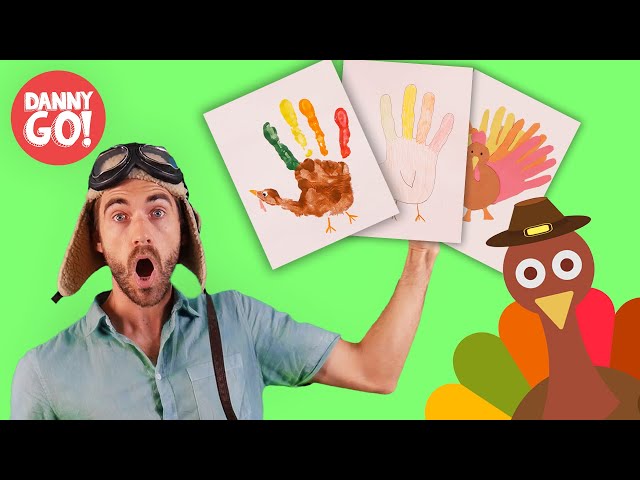
Handprint Turkeys
Estimated time: 20 minutes. This simple craft uses children’s handprints to create unique and personalized turkeys. It’s a great way to showcase individual creativity and create keepsakes.
- Trace children’s hands onto different colored construction paper.
- Cut out the handprints.
- Arrange the handprints to form a turkey’s body and tail feathers.
- Glue the handprints onto a larger piece of construction paper.
- Add a head and beak using additional construction paper or markers.
- Draw eyes and decorate as desired.
Leaf Pile Collage
Estimated time: 45 minutes. This project encourages exploration of natural materials and enhances creativity through collage. Children develop fine motor skills while appreciating autumn’s beauty.
- Collect various colored leaves outdoors.
- Arrange the leaves on a large piece of paper.
- Glue the leaves in place to create a fall-themed scene.
- Add additional details using crayons, markers, or paint.
Corn on the Cob Craft
Estimated time: 35 minutes. Using simple materials, preschoolers create a miniature corn on the cob, improving fine motor skills and learning about harvest staples.
- Cut out yellow and orange strips of construction paper.
- Glue the strips onto a piece of brown construction paper to make the corn.
- Draw a corn husk around the corn.
Paper Bag Pilgrims
Estimated time: 40 minutes. Create simple pilgrim figures using paper bags, enhancing creative expression and fine motor skills.
- Decorate brown paper bags to resemble pilgrim clothing.
- Add features like hats, buckles, and faces.
The hands-on nature of Thanksgiving arts and crafts preschool activities promotes a deeper understanding of the holiday’s significance. These projects offer a rich learning experience that goes beyond simple craft creation; they encourage critical thinking, problem-solving, and fine motor skill development. The emphasis on creative expression enables each child to uniquely showcase their understanding and appreciation for the holiday.
Implementing diverse Thanksgiving arts and crafts projects caters to varying skill levels and learning styles within the preschool classroom. It ensures all children feel successful and confident in their artistic endeavors, promoting self-esteem and fostering a positive learning experience. The flexible nature of many crafts allows for adaptation based on the available materials and the children’s preferences, making it a highly adaptable and rewarding activity.
Tips for Successful Thanksgiving Arts and Crafts Preschool Activities
To ensure a smooth and enjoyable Thanksgiving arts and crafts session, consider these helpful tips. Careful planning and preparation can significantly enhance the overall learning experience for preschoolers. By providing a well-organized and supportive environment, educators can maximize the educational benefits of these activities. Remember to focus on process and fun, not perfection.
A well-prepared space is crucial for successful arts and crafts sessions. This includes having all necessary materials organized and easily accessible to children. Clear instructions, presented in a simple and engaging manner, will guide young learners through each activity. Proper supervision is vital to ensure safety and proper handling of craft supplies. Encourage collaboration and sharing, fostering teamwork and social skills among preschoolers.
-
Prepare in Advance: Gather all necessary materials and pre-cut any complex shapes before the activity begins.
This ensures a smooth workflow and minimizes disruptions during the craft session. Pre-cutting shapes simplifies the process for younger children, allowing them to focus on the creative aspects of the project. Having everything ready reduces wait times and allows for a more efficient use of time during the activity.
-
Safety First: Use non-toxic materials and supervise children closely while using scissors, glue, or other potentially hazardous tools.
Prioritizing safety is paramount. Children need to be supervised at all times to prevent accidents. Ensure all materials used are non-toxic and appropriate for young children. Clearly explain safety guidelines before beginning any activity, demonstrating safe handling of tools and materials.
-
Keep it Simple: Choose projects that are age-appropriate and easy to follow.
Simple instructions and readily available materials are key to a successful craft session with preschoolers. Opt for projects that allow for individual expression and avoid overly complex steps. Remember the focus is on the process of creation and fun, not achieving a perfect result.
-
Encourage Creativity: Let children express their individuality and don’t be afraid to let them deviate from the instructions.
Embrace the creativity and originality of each child’s work. Do not impose rigid expectations or pressure children into adhering strictly to pre-set instructions. Encourage experimentation and self-expression in their projects. Support their imaginative choices and celebrate their unique creations.
-
Clean Up: Make cleaning up part of the activity. Assign simple tasks to children, such as putting away supplies or wiping tables.
Incorporating cleaning as part of the activity teaches responsibility and teamwork. Assign age-appropriate tasks to children, such as organizing materials or wiping down tables. This approach instills a sense of responsibility and promotes collaborative learning.
Implementing these tips enhances the learning and enjoyment of Thanksgiving arts and crafts preschool activities. The combination of preparation, safety measures, and a focus on creative expression promotes a positive learning environment. This structured approach ensures children engage fully and confidently in the creative process, making the experience both educational and fun.
These Thanksgiving arts and crafts preschool experiences are valuable for developing a wide range of skills. The activities are designed to boost fine motor skills, enhance creativity, and strengthen social and emotional skills. The festive atmosphere adds to the learning and provides opportunities for meaningful engagement with the Thanksgiving holiday’s themes.
Frequently Asked Questions about Thanksgiving Arts and Crafts Preschool
This section addresses common questions about planning and executing Thanksgiving arts and crafts activities in a preschool setting. It provides practical guidance to educators, ensuring successful and engaging projects for young learners. The responses emphasize safety, creativity, and the educational benefits of these activities.
What age range are these crafts suitable for?
These crafts are primarily designed for preschoolers aged three to five years. However, with slight modifications, some projects can be adapted for slightly older or younger children. The focus should always be on age-appropriate materials and instructions, ensuring safety and engagement. Adaptations may include simpler steps, larger pieces, or different materials depending on the children’s developmental stages.
What materials are typically needed for these projects?
Common materials include construction paper, scissors, glue, paint, markers, crayons, paper plates, natural items like leaves, and other readily available craft supplies. Always prioritize non-toxic and child-safe materials. A list of specific materials for each project should be provided beforehand to aid in preparation. Consider using recycled or reusable materials whenever possible to promote environmental awareness.
How can these crafts be incorporated into a broader Thanksgiving curriculum?
These crafts can be integrated into various aspects of a Thanksgiving-themed curriculum. They can be used to illustrate stories, reinforce concepts, or simply provide a fun and engaging break from traditional learning activities. Connect the crafts to lessons about the history of Thanksgiving, the harvest season, or the importance of gratitude. Encourage discussions and storytelling related to the projects, connecting them to broader learning objectives.
How can I assess the learning outcomes of these activities?
Assessment should focus on the process and development rather than just the final product. Observe children’s engagement, problem-solving skills, fine motor control, and creative expression. Document their progress through photos, observations, and anecdotal records. The emphasis should be on celebrating their progress and effort rather than judging their artistic ability.
Thanksgiving arts and crafts preschool activities offer a holistic approach to learning and development. These experiences go beyond simple craft creation; they enhance fine motor skills, encourage creative exploration, and foster a deeper understanding of Thanksgivings significance. The focus remains on the enjoyment and learning process, promoting positive self-expression and a connection to the holiday’s spirit.
These projects not only enhance children’s artistic skills but also aid in the development of essential life skills, such as problem-solving and collaboration. The integration of Thanksgiving themes into these activities promotes cultural understanding and appreciation for the holiday’s traditions. These hands-on experiences provide a memorable and engaging way to learn about the harvest and celebrate the season.
Key Aspects of Thanksgiving Arts and Crafts Preschool
Understanding the key aspects of Thanksgiving arts and crafts for preschoolers involves considering several essential factors that contribute to a successful and enriching learning experience. This includes careful planning, appropriate material selection, and a focus on the developmental needs of young children. The overall aim is to create a fun, safe, and educational environment where children can express their creativity and learn valuable skills.
Creativity
Preschool Thanksgiving crafts should foster creativity and self-expression. Children should be encouraged to personalize their projects and explore different techniques and materials. This allows for individual expression and strengthens their sense of ownership over their creations, building confidence and a positive self-image. Teachers should provide opportunities for open-ended exploration and experimentation within the Thanksgiving theme.
Fine Motor Skills
Many projects involve activities that improve fine motor skills. The manipulation of small materials, like glue and scissors, enhances hand-eye coordination and dexterity. Activities such as cutting, gluing, and painting all contribute to the refinement of fine motor skills, which are essential for writing and other daily tasks. Choose activities that progressively challenge these skills as children develop.
Cognitive Development
These crafts stimulate cognitive development by engaging children in problem-solving and creative thinking. Planning and executing a project requires children to think about the steps involved, troubleshoot problems, and make decisions about design and color. This process enhances their critical thinking and planning abilities, essential for future academic success. The projects also promote visual and spatial reasoning skills.
Social-Emotional Learning
Group craft projects promote social and emotional learning. Working collaboratively encourages teamwork, communication, and sharing. Children learn to negotiate, compromise, and support each other during group activities. The shared experience of creating something together strengthens social bonds and enhances their social-emotional intelligence.
The integration of these key aspects ensures a comprehensive and enriching experience for preschoolers. By carefully planning and delivering these activities, educators can maximize the learning potential while simultaneously creating a fun and engaging environment. This holistic approach underscores the valuable role of Thanksgiving arts and crafts in early childhood education.
Thanksgiving arts and crafts preschool programs contribute significantly to the holistic development of young children. They foster a love for learning, encourage creativity, and enhance essential skills. The emphasis on fun and engagement makes the learning process enjoyable and memorable for every child. The use of age-appropriate materials and techniques ensures a safe and supportive learning experience.
In conclusion, Thanksgiving arts and crafts activities in the preschool setting provide a valuable and engaging learning opportunity. They blend creativity, skill development, and cultural appreciation, creating a meaningful and memorable experience for young learners. The focus on process and fun ensures that each child feels successful and confident in their artistic endeavors.
Youtube Video: