 Cyrille Patenaude
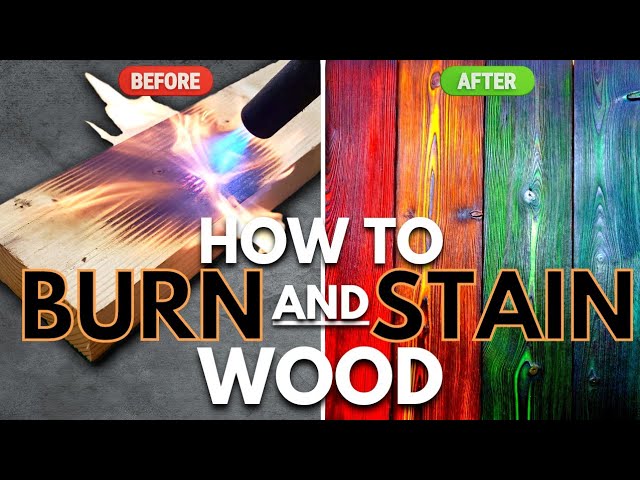
 Burnt wood crafts offer a unique and visually striking approach to woodworking, transforming charred wood into beautiful and functional items. This craft involves carefully burning wood to achieve varying shades and textures, then shaping and finishing it to create a diverse range of projects. The resulting pieces possess a rustic charm and a captivating aesthetic, making them highly sought after for their unique character and artistic appeal. This guide explores various burnt wood craft projects, providing step-by-step instructions and helpful tips for achieving stunning results. The process, while seemingly simple, demands precision and patience to master.
The appeal of burnt wood crafts lies in the dramatic contrast between the blackened surfaces and the underlying wood grain. This technique, often referred to as Shou Sugi Ban in Japan, has been used for centuries to protect wood from the elements. However, modern applications have expanded its use into artistic endeavors, allowing crafters to create pieces with deep visual interest. The process involves controlled burning, either using a torch or other heating methods, followed by careful brushing and sanding to reveal the unique patterns created by the charring. The resulting pieces often display a sophisticated blend of rustic and modern aesthetics.
Furthermore, the process allows for customization and creative exploration. Different woods react differently to burning, creating a wide range of tones and textures. This variability allows for unique and individualized creations. Experimentation with different burning techniques and wood types is encouraged, providing endless possibilities for artistic expression. This versatility is a key factor contributing to the growing popularity of burnt wood crafts among both hobbyists and professionals.
Burnt Wood Crafts Projects and Guidelines
This section details several examples of burnt wood crafts, providing clear instructions for each project. The difficulty and time commitment vary depending on the chosen project and the crafter’s experience level. Remember to always prioritize safety and use appropriate protective gear while working with fire and sharp tools.
Burnt Wood Coasters
Estimated time: 1-2 hours. These simple coasters are a great introduction to the world of burnt wood crafts. They showcase the beauty of the charred wood while being functional and easy to make.
- Cut square pieces of wood to your desired size.
- Lightly sand the wood pieces to ensure a smooth surface.
- Carefully burn the wood using a propane torch, achieving a uniform charring.
- Brush off excess char and sand lightly to reveal the wood grain.
- Apply a sealant to protect the coasters from moisture.
Burnt Wood Wall Art
Estimated time: 3-4 hours. More intricate designs can be created using stencils or freehand techniques on larger pieces of wood for wall art. The burning process adds depth and texture, enhancing the visual impact of the design.
- Choose a design and transfer it to the wood using a pencil.
- Carefully burn the wood along the design lines.
- Clean the excess char and finish the edges.
- Apply a sealant or varnish to protect the artwork.
- Hang the artwork using appropriate hanging hardware.
Burnt Wood Serving Tray
Estimated Time: 4-6 hours. A serving tray offers a larger canvas for exploring various burning techniques. The natural wood grain can be enhanced to create interesting contrasts.
- Construct a wooden frame.
- Cut a piece of plywood to fit inside the frame.
- Burn the plywood, varying the intensity to create texture and visual interest.
- Apply a food-safe sealant.
- Attach the plywood to the frame using wood glue and clamps.
Burnt wood crafts provide a pathway to creating unique and visually appealing pieces. The artistry lies not only in the burning process but also in the subsequent shaping and finishing, revealing the character hidden within the charred wood. These crafts offer a unique blend of rustic charm and modern elegance, making them attractive additions to any home or dcor style.
Furthermore, the technique encourages experimentation and the development of personal style. Different woods, burning techniques, and finishing methods will yield distinct results. The process transforms readily available materials into sophisticated and one-of-a-kind creations, allowing for a level of personalization seldom found in other crafts.
Tips for Successful Burnt Wood Crafts
Several key considerations contribute to creating high-quality burnt wood crafts. Understanding these tips can enhance the final product’s aesthetic appeal and longevity. Pay close attention to safety measures, as working with fire requires caution and the appropriate safety equipment.
-
Choose the Right Wood:
Hardwoods like cedar, redwood, and oak are ideal due to their density and ability to withstand the burning process. Softwoods can also be used, but they may require more delicate handling.
-
Practice Your Burning Technique:
Start with practice pieces to get a feel for the intensity and duration of the heat needed to achieve your desired effect. Even charring is crucial for a professional look.
-
Use Proper Safety Gear:
Always wear protective eyewear, gloves, and clothing to avoid burns or injuries. Ensure adequate ventilation to minimize smoke inhalation.
-
Finish Appropriately:
Apply a sealant or finish appropriate for your project’s intended use. This protects the wood from moisture and enhances its longevity and durability.
-
Embrace Imperfections:
The beauty of burnt wood lies partly in its imperfections. Don’t strive for absolute perfection; embrace the natural variations and unique characteristics of the charred wood.
The beauty of burnt wood crafting stems from its simplicity and the potential for creative freedom. The ability to transform ordinary wood into extraordinary pieces is truly captivating. The versatility of the technique makes it accessible to various skill levels, from beginners to experienced crafters.
Moreover, the unique aesthetic of burnt wood crafts offers a distinctive charm that appeals to a wide audience. The technique is adaptable to various styles and trends, allowing for creation of pieces that blend seamlessly into both modern and traditional settings. The resulting items offer a sophisticated look and a sense of natural warmth.
Frequently Asked Questions about Burnt Wood Crafts
This section addresses common questions regarding the techniques and processes involved in creating burnt wood crafts. Addressing these frequently asked questions clarifies potential confusions and provides helpful guidance to those new to this craft.
What type of wood is best for burnt wood crafts?
Hardwoods like cedar, redwood, and oak are generally preferred for their ability to withstand the heat and create a visually appealing char. However, experimentation with different wood types can yield interesting results. Always consider the density and grain of the wood when choosing a material for your project.
What safety precautions should be taken when burning wood?
Always wear appropriate safety gear, including gloves, eye protection, and clothing that covers exposed skin. Ensure adequate ventilation to avoid inhaling smoke. Work in a controlled environment away from flammable materials. Keep a fire extinguisher handy for emergencies.
How do I achieve a uniform char on the wood?
Consistent and even heat application is key. Use a propane torch or other heat source that allows for controlled burning. Keep the torch moving to prevent localized overheating. Practice on scrap pieces of wood to refine your technique before working on your final project.
What type of finish is best for burnt wood?
The choice of finish depends on the project’s intended use. A food-safe sealant is recommended for items that will come into contact with food, such as serving trays or cutting boards. For other projects, a varnish or polyurethane can enhance the wood’s durability and protect it from moisture.
Can I use stencils for intricate designs?
Absolutely! Stencils are a great way to create precise and intricate designs on burnt wood. Use heat-resistant stencils and apply the heat carefully to avoid damaging the stencil or burning unevenly.
Burnt wood crafts offer a pathway to unique creations, allowing for the transformation of simple wood into aesthetically pleasing and functional items. The techniques involved are relatively easy to master, making it an accessible craft for a wide range of individuals. The resulting pieces are often treasured for their unique rustic charm.
Furthermore, the inherent variability of the process encourages creative exploration and experimentation. This allows for a high level of personalization and customization, fostering a sense of accomplishment and artistic fulfillment. The satisfaction of creating something unique and beautiful from readily available materials is a key driver in the enduring popularity of this craft.
Key Aspects of Burnt Wood Crafts
Understanding the key elements is paramount to mastering this craft. These aspects highlight the essential components and considerations involved in producing successful burnt wood crafts.
Burning Technique
The burning technique involves controlling the heat source and the duration of exposure to the wood. The mastery of this aspect is key to achieving the desired aesthetic; uneven burning or excessive charring can ruin a piece. Various techniques exist, each producing a unique look. Careful application of heat is essential to avoid scorching or burning the wood completely.
Wood Selection
Choosing the right wood is crucial. Hardwoods are usually preferred for their ability to withstand the burning process and their visually appealing grain. Softwoods can also be used, but they require more care and attention. The type of wood impacts the final color and texture.
Finishing Touches
After burning, sanding and applying a protective sealant or finish is essential for durability and aesthetic appeal. These final steps protect the wood from moisture and enhance the overall visual impact. Experimentation with different sealants and finishes can impact the final appearance.
Safety Precautions
Safety should be paramount when working with fire. Proper personal protective equipment and a safe workspace are non-negotiable. Careful handling of the heat source and maintaining adequate ventilation reduces risks and promotes a safe working environment.
Design & Creativity
The possibilities are limitless. Simple designs can be implemented as well as complex designs, showcasing personal artistic expression. The combination of the burning process and design allows for almost infinite variations in the final look.
The artistry in burnt wood lies in the balance between the controlled burning and the subsequent finishing. The ability to create visually appealing and functional items from readily available materials enhances the appeal of this unique craft.
Furthermore, the techniques and skills learned through burnt wood crafting can be adapted and applied to other woodworking projects. The understanding of wood characteristics, heat management, and finishing techniques are transferable skills with broader applications. This makes it a valuable craft to learn, offering a gateway to a wider exploration of woodworking in general.
In conclusion, burnt wood crafts offer a rewarding and creative outlet for individuals of all skill levels. The unique aesthetic appeal, combined with the functional nature of many projects, makes this craft both enjoyable and practical. By understanding the key aspects and following the guidelines presented, one can confidently embark on creating beautiful and enduring pieces.
Youtube Video: