 Cyrille Patenaude
Crafts and Activities
Crafts and activities are a great way to spend time with friends and family, and they can also be a lot of fun. There are many different types of crafts and activities to choose from, so there’s sure to be something for everyone.
Some popular crafts and activities include:
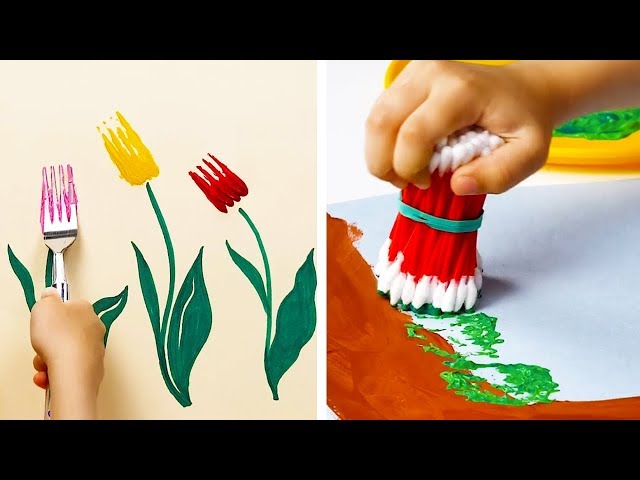
- Painting: Painting is a great way to express yourself and create something beautiful. You can use acrylics, watercolors, or oil paints to create your own unique works of art.
- Drawing: Drawing is a great way to improve your hand-eye coordination and develop your creativity. You can use pencils, charcoal, or pastels to create realistic drawings or abstract works of art.
- Sculpture: Sculpture is a great way to create three-dimensional works of art. You can use clay, paper-mch, or even recycled materials to create your own sculptures.
- Origami: Origami is the Japanese art of paper folding. You can use origami to create a variety of different objects, from simple animals to complex geometric shapes.
- Jewelry making: Jewelry making is a great way to create your own unique pieces of jewelry. You can use beads, wire, and other materials to create necklaces, bracelets, earrings, and rings.
- Cooking: Cooking is a great way to learn about different cultures and create delicious meals. You can use a variety of ingredients and recipes to create dishes that are both healthy and flavorful.
- Gardening: Gardening is a great way to get some fresh air and exercise, and it can also be a lot of fun. You can grow your own fruits, vegetables, and flowers, and you can even create your own garden designs.
- Hiking: Hiking is a great way to explore the outdoors and get some exercise. You can hike in the mountains, the desert, or the forest, and you can even hike to waterfalls or other natural landmarks.
- Biking: Biking is a great way to get some exercise and explore your surroundings. You can bike on trails, roads, or even in the park, and you can even bike to work or school.
- Swimming: Swimming is a great way to cool off on a hot day, and it can also be a lot of fun. You can swim in a pool, a lake, or the ocean, and you can even swim laps to get some exercise.
The benefits of crafts and activities are numerous. Crafts and activities can help you:
- Reduce stress: Crafts and activities can help you relax and de-stress after a long day.
- Improve your mood: Crafts and activities can help you boost your mood and feel happier.
- Increase your creativity: Crafts and activities can help you develop your creativity and imagination.
- Learn new skills: Crafts and activities can help you learn new skills and develop your talents.
- Make new friends: Crafts and activities can help you meet new people and make new friends.
- Have fun: Most importantly, crafts and activities can help you have fun and enjoy yourself.
If you’re looking for a way to relax, have fun, and learn new skills, then crafts and activities are a great option. There are many different types of crafts and activities to choose from, so there’s sure to be something for everyone.
Key Aspects of Crafts and Activities
Crafts and activities encompass a wide range of creative and engaging pursuits that offer numerous benefits. Here are six key aspects that highlight their significance:
- Creativity: Crafts and activities foster imagination and artistic expression.
- Skill Development: They provide opportunities to learn new techniques and enhance existing abilities.
- Stress Relief: Engaging in crafts and activities can promote relaxation and reduce stress levels.
- Socialization: Group activities facilitate social interaction and community building.
- Cognitive Stimulation: Crafts and activities stimulate cognitive function and improve problem-solving abilities.
- Personal Enrichment: They contribute to personal growth, self-expression, and a sense of accomplishment.
These key aspects are interconnected and contribute to the overall value of crafts and activities. For instance, the development of creativity through artistic pursuits can lead to increased self-confidence and a greater sense of personal fulfillment. Similarly, engaging in social activities not only strengthens bonds but also provides opportunities for cultural exchange and knowledge sharing. Furthermore, the cognitive stimulation provided by crafts and activities can have positive implications for overall brain health and well-being.
Creativity
Crafts and activities are a wellspring of creativity, nurturing imagination and artistic expression in individuals of all ages and backgrounds. This connection is multifaceted, encompassing various aspects that contribute to the development and manifestation of creative potential.
-
Imaginative Exploration
Crafts and activities provide a fertile ground for imaginative exploration, allowing individuals to experiment with different materials, techniques, and ideas. They encourage the expression of unique perspectives, fostering the development of novel concepts and solutions.
-
Artistic Expression
Through crafts and activities, individuals can translate their thoughts, emotions, and experiences into tangible forms. Whether it’s painting a vivid landscape, sculpting a delicate figurine, or composing a heartfelt melody, these pursuits serve as powerful mediums for artistic expression, fostering self-discovery and the communication of ideas.
-
Skill Development
Engaging in crafts and activities often involves the acquisition and refinement of various skills, such as hand-eye coordination, fine motor skills, and problem-solving abilities. As individuals master these skills, they gain greater confidence in their creative endeavors, enabling them to explore more complex and ambitious projects.
-
Cognitive Stimulation
Crafts and activities stimulate cognitive function, enhancing creativity by exercising the brain’s ability to think flexibly, generate new ideas, and connect seemingly unrelated concepts. This stimulation encourages the development of innovative approaches and solutions, fostering a mindset conducive to creative thinking.
In conclusion, the connection between creativity and crafts and activities is profound and multifaceted. Through imaginative exploration, artistic expression, skill development, and cognitive stimulation, crafts and activities empower individuals to unlock their creative potential and express themselves in meaningful and fulfilling ways.
Skill Development
Crafts and activities play a pivotal role in skill development, offering individuals opportunities to acquire new techniques and enhance their existing abilities. This connection is crucial as it empowers individuals to pursue their creative endeavors with greater proficiency and confidence.
The learning of new techniques is an integral aspect of crafts and activities. Through structured lessons, workshops, or self-guided exploration, individuals can gain exposure to diverse materials, tools, and methods. Whether it’s mastering the intricacies of watercolor painting, learning the delicate art of origami, or experimenting with woodworking techniques, crafts and activities provide a nurturing environment for skill acquisition.
Equally important is the enhancement of existing abilities. As individuals engage in crafts and activities on a regular basis, they refine their skills through repetition and practice. This iterative process leads to improved coordination, precision, and dexterity. For instance, a potter may find that their ability to shape clay with their hands becomes more refined over time, allowing them to create more intricate and delicate pieces.
The practical significance of skill development in crafts and activities extends beyond the immediate context of these pursuits. The acquired techniques and enhanced abilities can be applied to various aspects of life. Improved hand-eye coordination, for example, can benefit athletic endeavors, while enhanced problem-solving skills can prove valuable in academic and professional settings.
In conclusion, the connection between skill development and crafts and activities is undeniable. Through the acquisition of new techniques and the enhancement of existing abilities, crafts and activities empower individuals to explore their creativity, pursue their passions, and navigate life’s challenges with greater skill and confidence.
Stress Relief
In the realm of crafts and activities lies a powerful antidote to the stressors of modern life. Engaging in these pursuits can induce a state of relaxation and tranquility, effectively reducing stress levels and promoting overall well-being.
The stress-relieving effects of crafts and activities can be attributed to several factors. Firstly, they provide a sense of accomplishment and mastery. When individuals engage in creative endeavors and successfully complete a project, they experience a boost in self-esteem and a sense of satisfaction. This positive emotional response can help counteract the negative effects of stress.
Furthermore, crafts and activities offer a form of escapism from daily worries and concerns. By immersing themselves in a creative activity, individuals can temporarily detach from stressful thoughts and focus on the present moment. This mental respite can help reduce anxiety and promote relaxation.
Real-life examples abound to illustrate the stress-relieving benefits of crafts and activities. For instance, studies have shown that knitting, crocheting, and other fiber crafts can lower blood pressure and reduce levels of the stress hormone cortisol. Similarly, painting, drawing, and sculpting have been found to have calming effects, promoting relaxation and reducing anxiety.
The practical significance of understanding the connection between crafts and activities and stress relief is multifaceted. Firstly, it empowers individuals with a self-care strategy that is both enjoyable and effective. By incorporating crafts and activities into their routines, individuals can proactively manage stress levels and improve their overall well-being.
Secondly, this understanding can inform healthcare professionals and policymakers in developing holistic approaches to stress management. By promoting crafts and activities as complementary therapies, healthcare systems can support individuals in reducing their reliance on medication and exploring alternative pathways to stress relief.
In conclusion, the connection between crafts and activities and stress relief is well-established. Engaging in these pursuits can provide a sense of accomplishment, offer a form of escapism, and promote relaxation. Understanding this connection empowers individuals with a valuable self-care strategy and can inform the development of holistic approaches to stress management.
Socialization
Crafts and activities offer a fertile ground for socialization, fostering social interaction and community building in diverse and engaging ways. This connection between crafts and activities and socialization manifests itself through several key facets:
-
Shared Experiences
Crafts and activities provide opportunities for individuals to come together and share unique experiences. Whether it’s painting alongside fellow artists, knitting in a social group, or participating in a community dance class, these activities create a sense of camaraderie and shared purpose.
-
Communication and Collaboration
Crafts and activities often involve communication and collaboration among participants. Individuals share ideas, offer feedback, and work together to achieve a common goal. This social interaction fosters a sense of belonging and strengthens interpersonal bonds.
-
Community Building
Crafts and activities can serve as a catalyst for community building, bringing together individuals from diverse backgrounds and fostering a sense of shared identity. Community art projects, for example, engage residents in collaborative endeavors that beautify public spaces and promote a sense of ownership and pride.
-
Intergenerational Connections
Crafts and activities can bridge generational gaps, providing opportunities for individuals of all ages to interact and learn from one another. Grandparents teaching their grandchildren traditional crafts, for instance, not only preserve cultural heritage but also foster intergenerational bonds and a sense of continuity.
In conclusion, the connection between crafts and activities and socialization is undeniable. Through shared experiences, communication and collaboration, community building, and intergenerational connections, crafts and activities play a vital role in fostering social interaction and strengthening community bonds.
Cognitive Stimulation
Crafts and activities are a powerful tool for cognitive stimulation, enhancing cognitive function and improving problem-solving abilities. This connection is multifaceted and has significant implications for individuals of all ages.
One of the key ways in which crafts and activities stimulate cognitive function is by exercising the brain’s executive functions. These functions include planning, attention, working memory, and cognitive flexibility. When individuals engage in crafts and activities, they must plan their approach, sustain attention, remember instructions, and adapt to changing circumstances. This constant exercise helps to strengthen these executive functions, leading to improved cognitive performance in other areas of life.
For example, a study conducted by researchers at the University of California, Berkeley, found that older adults who participated in a crafts program showed significant improvements in their cognitive function, including their ability to plan, solve problems, and remember information. The study attributed these improvements to the fact that the crafts program required participants to use a variety of cognitive skills, including planning, attention, and working memory.
The practical significance of understanding the connection between crafts and activities and cognitive stimulation is far-reaching. For educators, this understanding can inform the development of educational programs that incorporate crafts and activities to enhance students’ cognitive development. For healthcare professionals, this understanding can guide the development of therapeutic interventions that use crafts and activities to improve cognitive function in individuals with cognitive impairments or age-related cognitive decline.
In conclusion, the connection between crafts and activities and cognitive stimulation is well-established. Crafts and activities provide a powerful tool for exercising the brain’s executive functions, leading to improved cognitive performance and problem-solving abilities. Understanding this connection can inform educational and therapeutic approaches to enhance cognitive function and promote overall well-being.
Personal Enrichment
Crafts and activities offer a fertile ground for personal enrichment, fostering personal growth, self-expression, and a sense of accomplishment. This connection is multifaceted, encompassing various facets that contribute to the development of the whole person.
-
Personal Growth
Crafts and activities provide opportunities for individuals to challenge themselves, learn new skills, and expand their knowledge. Whether it’s mastering a new painting technique, experimenting with different musical instruments, or exploring the intricacies of woodworking, these pursuits encourage individuals to step outside of their comfort zones and embark on a journey of personal growth.
-
Self-Expression
Crafts and activities serve as powerful mediums for self-expression, allowing individuals to communicate their thoughts, emotions, and experiences in unique and meaningful ways. Through the creation of art, music, dance, or any other form of creative expression, individuals can explore their inner selves, discover their passions, and share their perspectives with the world.
-
Sense of Accomplishment
Crafts and activities offer a sense of accomplishment and satisfaction that can boost self-esteem and confidence. When individuals successfully complete a project, they experience a feeling of pride and a sense of accomplishment that extends beyond the immediate context of the activity. This positive reinforcement can motivate individuals to continue pursuing their creative endeavors and to set higher goals for themselves.
-
Mindfulness and Self-Awareness
Many crafts and activities, such as painting, drawing, and meditation, promote mindfulness and self-awareness. These activities encourage individuals to focus on the present moment, to observe their thoughts and feelings without judgment, and to cultivate a deeper understanding of themselves and their place in the world.
In conclusion, the connection between crafts and activities and personal enrichment is undeniable. Through personal growth, self-expression, a sense of accomplishment, and mindfulness, crafts and activities empower individuals to become more fulfilled, confident, and self-aware. Understanding this connection can encourage individuals to embrace crafts and activities as valuable tools for their personal development and well-being.
Crafts and activities encompass a myriad of creative and engaging pursuits that offer a plethora of benefits. These activities involve the skilled use of hands and tools to create tangible objects or engage in artistic endeavors. Examples include painting, drawing, sculpture, pottery, woodworking, knitting, crocheting, and playing musical instruments.
The significance of crafts and activities lies in their ability to foster creativity, cognitive development, self-expression, and socialization. Engaging in these activities provides opportunities for individuals to explore their imagination, develop fine motor skills, and enhance their problem-solving abilities. Furthermore, crafts and activities offer a platform for self-expression, allowing individuals to communicate their thoughts, feelings, and experiences through various artistic mediums.
Historically, crafts and activities have played a vital role in human societies. They have been used for practical purposes, such as creating tools, clothing, and shelter, as well as for artistic and ceremonial purposes. In many cultures, crafts and activities are deeply intertwined with traditions and heritage, passed down from generation to generation.
Frequently Asked Questions about Crafts and Activities
Crafts and activities encompass a wide range of creative and engaging pursuits that offer numerous benefits. To address common questions and misconceptions, we have compiled a list of frequently asked questions and their corresponding answers:
Question 1: What are the benefits of engaging in crafts and activities?
Crafts and activities offer a multitude of benefits, including fostering creativity, cognitive development, self-expression, and socialization. They provide opportunities for individuals to explore their imagination, develop fine motor skills, enhance problem-solving abilities, and communicate their thoughts and feelings through artistic mediums.
Question 2: Are crafts and activities only suitable for children?
Crafts and activities are not limited to children; they can be enjoyed by individuals of all ages. Many adults find solace and fulfillment in engaging in crafts and activities as a form of relaxation, creative expression, and personal growth.
Question 3: Do I need to be artistic to participate in crafts and activities?
Artistic ability is not a prerequisite for participating in crafts and activities. These pursuits are accessible to everyone, regardless of their skill level or artistic background. Crafts and activities provide a welcoming environment for individuals to explore their creativity and develop their skills at their own pace.
Question 4: How can I find crafts and activities that are right for me?
There are numerous ways to discover crafts and activities that align with your interests. You can attend local workshops, browse online resources, or explore community centers and libraries. Experimenting with different activities can help you identify those that resonate with you most.
Question 5: Are crafts and activities expensive?
The cost of crafts and activities can vary depending on the materials and equipment required. However, there are many budget-friendly options available. You can use recycled materials, repurpose old items, or take advantage of free or low-cost workshops and classes.
Question 6: How can I share my crafts and activities with others?
There are several ways to share your crafts and activities with others. You can participate in local art fairs, join online communities, or organize gatherings with friends and family to showcase your creations. Sharing your work can provide a sense of accomplishment and connect you with like-minded individuals.
Summary:
Crafts and activities offer a myriad of benefits for individuals of all ages. They foster creativity, cognitive development, self-expression, and socialization. Engaging in crafts and activities is accessible to everyone, regardless of their skill level or artistic background. By exploring different activities and sharing your work with others, you can enrich your life and connect with your creative side.
Transition to the next article section:
To delve deeper into the world of crafts and activities, let’s explore some specific examples and their associated benefits.
Conclusion
Our exploration of crafts and activities has illuminated their multifaceted nature and profound impact on human experience. These creative and engaging pursuits foster creativity, cognitive development, self-expression, and socialization, enriching our lives in innumerable ways.
Crafts and activities transcend age and skill level, providing accessible avenues for personal growth and fulfillment. They have played a pivotal role in human history, shaping our cultures, traditions, and artistic heritage. As we continue to embrace the transformative power of crafts and activities, let us recognize their enduring legacy and strive to incorporate these valuable pursuits into our lives.
Remember, engaging in crafts and activities is not merely about creating tangible objects or artistic masterpieces; it is about embarking on a journey of self-discovery, cultivating our creativity, and connecting with others through shared experiences. Let us continue to cherish and nurture the art of crafting and creating, ensuring that its benefits continue to inspire and empower generations to come.
Youtube Video: