 Cyrille Patenaude
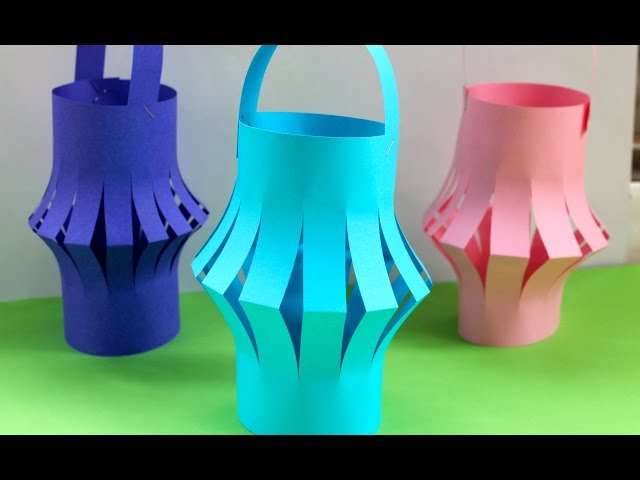
 Lantern craft preschool activities offer a unique blend of creativity, fine motor skill development, and cultural exploration. These engaging projects allow young children to express themselves artistically while learning valuable skills. The process encourages collaboration and problem-solving, fostering a positive learning environment. A variety of materials and techniques can be utilized, catering to different skill levels and interests. Ultimately, lantern making in a preschool setting provides a rich and rewarding experience for both educators and students.
Preschool lantern crafts provide a hands-on approach to learning, moving beyond traditional classroom methods. Children actively participate in the creation process, enhancing their understanding of shapes, colors, and textures. The collaborative nature of many lantern-making projects fosters teamwork and communication. Moreover, the finished lanterns can be used in classroom displays, celebrations, or even taken home, providing a sense of accomplishment and pride. This creative outlet allows children to explore their imaginations and self-expression in a safe and supportive environment.
The diverse range of lantern designs allows for adaptation to various themes and curriculum objectives. For instance, a seasonal theme could be incorporated, creating lanterns that reflect the spirit of autumn or winter holidays. Different materials, such as recycled containers or natural materials, can be used, promoting sustainability and environmental awareness. The projects encourage children to utilize various tools and techniques, thereby refining their dexterity and coordination. The sensory experience of working with different textures and materials adds another layer of engagement.
Lantern Craft Preschool Project Examples and Guidelines
The following examples illustrate the versatility of lantern craft projects suitable for a preschool setting. Each project offers a unique approach to design and construction, incorporating various materials and techniques to cater to diverse learning styles and abilities. Estimated completion times are provided as a general guideline and may vary depending on the children’s age and experience. Careful supervision is essential throughout each project.
Paper Lantern with Tissue Paper
This simple project takes approximately 30-45 minutes to complete. It introduces basic folding and gluing techniques, ideal for younger preschoolers.
- Cut a square piece of construction paper.
- Fold the paper in half, then in half again.
- Cut fringe along the open edges.
- Unfold the paper and glue the two ends together, forming a cylinder.
- Decorate the lantern with tissue paper squares glued onto the fringe.
Recycled Container Lantern
Using recycled materials, this project, taking roughly 45-60 minutes, promotes sustainability and creative reuse. Its suited for slightly older preschoolers who can handle scissors more confidently.
- Clean and dry a clean plastic container (e.g., a yogurt cup or margarine container).
- Cut shapes or patterns into the container.
- Decorate with paint, markers, or stickers.
- Punch holes near the top for string or ribbon.
- Add a battery-operated tea light for illumination.
Pinecone Lantern
This nature-based project, taking approximately 45-60 minutes, encourages appreciation of natural materials and allows for creative expression through embellishment.
- Collect pinecones (ensure they are clean and dry).
- Glue small beads, sequins, or glitter onto the pinecones.
- Add a small battery-operated tea light inside.
- Tie a ribbon or string to hang the lantern.
Egg Carton Lantern
This project, taking approximately 30-45 minutes, offers a fun way to repurpose egg cartons.
- Cut individual egg cups from the carton.
- Paint and decorate each cup.
- Attach the cups together to create a lantern shape (glue or staples).
- Add a battery-operated tea light.
Paper Bag Lantern
This project takes about 30-45 minutes to complete and involves simple cutting and folding.
- Decorate a brown paper bag with crayons, markers, or paint.
- Cut out shapes or patterns from the bag.
- Glue a battery-operated tea light inside.
These are just a few examples; numerous variations are possible depending on the available resources and the children’s preferences. The key is to provide a stimulating and enjoyable experience that promotes learning and creative expression.
The adaptability of lantern-making activities in a preschool context allows for the seamless integration of various learning objectives. Teachers can adjust the complexity of the projects to cater to different skill levels, fostering a sense of accomplishment for every child. Furthermore, the creation of lanterns provides opportunities for social interaction, encouraging collaboration and teamwork.
Tips for Successful Lantern Craft Preschool Activities
Careful planning and preparation are crucial to ensure a smooth and engaging lantern-making experience. Consider the age and abilities of the children, selecting projects that are appropriate for their skill levels. Adequate supervision is always necessary, especially when using scissors, glue, or other potentially hazardous materials.
Providing clear instructions and demonstrating the steps visually can help children understand the process more effectively. A well-organized workspace, with all materials readily available, will streamline the process and reduce potential frustrations.
-
Age-Appropriate Projects:
Choose projects that match the children’s developmental stage and abilities. Younger children may benefit from simpler projects with less intricate steps, while older children can tackle more complex designs.
-
Safety First:
Always prioritize safety. Supervise children closely, especially when using sharp objects like scissors or hot glue guns. Ensure that all materials are non-toxic and age-appropriate.
-
Clear Instructions:
Provide clear and concise instructions, using visuals whenever possible. Demonstrate each step before letting the children begin. Break down complex tasks into smaller, manageable steps.
-
Organized Workspace:
Create a well-organized workspace with all materials readily accessible. This will help to keep the children focused and minimize disruptions. Consider using trays or containers to separate different materials.
-
Creative Freedom:
Encourage creativity and self-expression. Allow children to personalize their lanterns, adding their own unique touches and designs. Resist the urge to micromanage; let them explore their imaginations.
By following these simple tips, educators can ensure that lantern-making activities are both engaging and educational, enriching the preschool learning experience.
The overall experience of creating lanterns in a preschool setting should be enjoyable and enriching for the children. It allows for exploration of creativity, development of fine motor skills, and the fostering of a positive learning environment. The finished products serve as lasting reminders of the learning process.
Frequently Asked Questions about Lantern Craft Preschool
Educators often have questions regarding the implementation of lantern craft projects in the preschool setting. Understanding the best practices and addressing potential concerns can help optimize the learning experience.
What materials are best suited for lantern craft preschool projects?
A variety of materials can be used, depending on the project’s complexity and the children’s age. Common materials include construction paper, tissue paper, recycled containers, pinecones, egg cartons, and paint. Always ensure that materials are non-toxic and age-appropriate.
How can I adapt lantern craft projects to different skill levels?
Offer a range of projects with varying levels of difficulty. Simpler projects, such as decorating pre-made lanterns, are suitable for younger children, while more complex designs, involving cutting and assembling, can be offered to older children. Provide assistance as needed, ensuring that all children feel successful.
What safety precautions should be taken during lantern craft preschool activities?
Always supervise children closely, especially when using scissors, glue, or other potentially hazardous materials. Ensure that all materials are non-toxic and age-appropriate. Keep a first-aid kit readily available in case of minor accidents.
How can I incorporate lantern craft projects into the curriculum?
Lantern crafts can be integrated into various curriculum areas, including art, science (exploring different materials), and social studies (learning about different cultures and traditions). The projects can be linked to seasonal themes or holiday celebrations.
How can I assess learning outcomes from lantern craft preschool activities?
Observe the children’s participation, problem-solving skills, and creative expression during the project. Assess their ability to follow instructions, work collaboratively, and complete the task successfully. The finished lanterns can serve as a visual representation of their learning.
Careful planning and implementation are essential for successful lantern craft preschool activities. The benefits extend beyond the creation of beautiful lanterns, fostering crucial skills and promoting a vibrant learning atmosphere.
The overall success of lantern craft preschool initiatives hinges on effective planning and execution. A thoughtful approach, incorporating the tips and considerations mentioned earlier, will ensure a positive and rewarding experience for both teachers and students. The positive learning environment cultivated during these activities contributes significantly to overall childhood development.
Key Aspects of Lantern Craft Preschool
Understanding the multifaceted nature of lantern craft preschool activities is crucial for educators. Analyzing the key aspects offers insights into maximizing their educational potential. These activities are valuable tools for fostering creativity, collaboration, and fine motor skill development. The utilization of various materials and techniques expands learning opportunities and promotes inclusivity.
Creativity
Lantern making unleashes children’s imagination, encouraging them to explore different designs, colors, and patterns. The freedom of self-expression fosters individuality and builds confidence. This process fosters a positive association with learning through active engagement and self-discovery.
Skill Development
These activities enhance fine motor skills through tasks like cutting, gluing, and manipulating materials. Hand-eye coordination and dexterity are significantly improved. Such improvements directly impact children’s overall physical development and readiness for future learning.
Collaboration
Many lantern-making projects lend themselves to group work, teaching children to cooperate, share ideas, and solve problems collectively. Teamwork and communication are crucial life skills fostered through collaboration. The shared achievement strengthens group dynamics and creates a sense of unity.
Cultural Exploration
Lantern festivals and traditions from various cultures can be explored through lantern making, broadening children’s understanding of global diversity. Integrating cultural elements fosters appreciation for different traditions and perspectives. This exposure promotes inclusivity and a global outlook.
These aspects intertwine, creating a holistic learning experience that benefits children on multiple levels. The use of recycled materials can additionally encourage environmental awareness and responsible resource management.
The positive impact of lantern craft activities on preschoolers extends beyond the immediate creation process. The resulting lanterns become tangible representations of their learning, serving as cherished keepsakes and classroom decorations. This tangible output reinforces the sense of accomplishment and pride.
Successfully implementing lantern craft activities within a preschool setting requires careful planning and consideration of age-appropriate projects. Prioritizing safety and providing clear instructions are essential for a positive learning experience. The focus should always be on fostering creativity, collaboration, and skill development while making the activity enjoyable and rewarding for all involved.
In conclusion, lantern craft preschool activities offer a valuable and engaging approach to early childhood education, enhancing creativity, skill development, and collaboration while fostering a sense of accomplishment and cultural awareness. By carefully planning and implementing these activities, educators can maximize their educational benefits, enriching the learning experience for every child.
Youtube Video: