 Cyrille Patenaude
Art Crafts for Kindergarten
Art crafts are a great way for kindergarteners to develop their creativity, fine motor skills, and problem-solving abilities. They can also be used to teach children about different cultures and concepts. Here are a few examples of easy and fun art crafts that are perfect for kindergarteners:
Paper Plate Animals: To make a paper plate animal, you will need a paper plate, markers, crayons, or paint, and glue. First, have the child draw the animal’s face on the paper plate. Then, add the animal’s body and legs. Finally, glue on any other details, such as ears, a tail, or fur.
Popsicle Stick Picture Frames: To make a popsicle stick picture frame, you will need popsicle sticks, glue, and a picture. First, have the child glue the popsicle sticks together to form a square or rectangle. Then, have the child glue the picture to the center of the frame. Finally, decorate the frame with markers, crayons, or paint.
Yarn Wrapped Letters: To make yarn wrapped letters, you will need yarn, cardboard, and glue. First, have the child draw the letter on the cardboard. Then, have the child wrap the yarn around the letter. Finally, glue the end of the yarn to the cardboard.
Benefits of Art Crafts for Kindergarteners:
- Develop creativity
- Improve fine motor skills
- Enhance problem-solving abilities
- Teach about different cultures and concepts
- Provide a fun and engaging learning experience
Tips for Doing Art Crafts with Kindergarteners:
Keep it simple. Choose crafts that are easy to do and that don’t require a lot of materials.Provide clear instructions. Make sure the children understand what they are supposed to do.Be patient. It may take some time for the children to complete their crafts.Offer encouragement. Let the children know that you are proud of their work.Make it fun. Art crafts should be enjoyable for both the children and the adults.
Art crafts are a great way to help kindergarteners learn and grow. By providing them with a variety of art experiences, you can help them develop their creativity, fine motor skills, and problem-solving abilities. You can also use art crafts to teach them about different cultures and concepts. Most importantly, art crafts can be a fun and engaging learning experience for everyone involved.
Essential Aspects of Art Crafts for Kindergarten
Art crafts play a crucial role in the holistic development of kindergarteners. Here are eight key aspects to consider when engaging in art crafts with young children:
- Creativity: Art crafts foster imagination and self-expression.
- Fine motor skills: Cutting, pasting, and drawing enhance dexterity and coordination.
- Problem-solving: Children learn to think critically and find solutions.
- Cultural awareness: Art crafts expose children to diverse cultures and traditions.
- Cognitive development: Art activities stimulate cognitive skills such as shape recognition and color identification.
- Social skills: Group art projects promote cooperation and communication.
- Language development: Discussing art helps children expand their vocabulary and express themselves verbally.
- Sensory exploration: Art crafts engage multiple senses, fostering tactile and visual development.
These aspects are interconnected and contribute to the overall benefits of art crafts for kindergarteners. For instance, a simple activity like finger painting not only develops fine motor skills but also stimulates creativity and sensory exploration. Similarly, creating a collaborative mural fosters social skills while promoting cultural awareness through the sharing of different artistic styles.
By incorporating art crafts into the kindergarten curriculum, educators can provide children with a well-rounded learning experience that supports their cognitive, physical, social, and emotional growth.
Creativity
In the context of art crafts for kindergarten, creativity is of utmost importance. Art crafts provide a unique and essential platform for young children to explore their imagination and express themselves freely. Through various art activities, kindergarteners can develop their creative thinking, problem-solving abilities, and self-confidence.
Art crafts encourage children to think outside the box, experiment with different materials, and find innovative ways to express their ideas. The process of creating art allows them to tap into their imagination and bring their unique perspectives to life. Furthermore, art crafts foster self-expression by providing children with a safe and supportive environment to share their thoughts, emotions, and experiences.
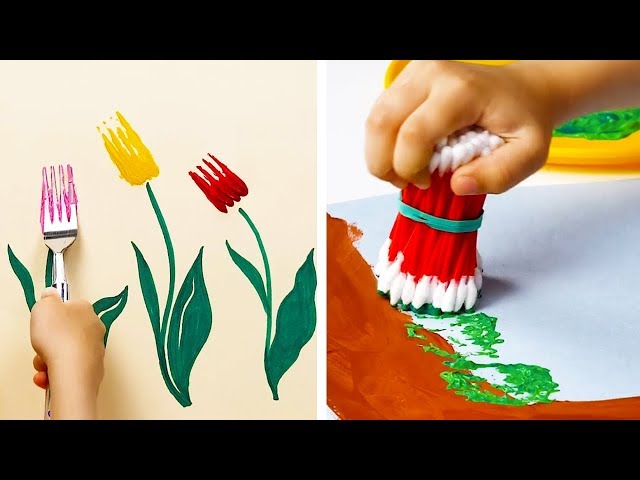
For example, a simple activity like finger painting allows children to explore colors, textures, and shapes freely. This activity not only enhances their creativity but also encourages self-expression as they create their own unique masterpieces. Similarly, a craft project involving the creation of animal masks can foster imagination and self-expression as children design and decorate their own masks, reflecting their individual personalities and preferences.
The connection between creativity, art crafts, and kindergarten is vital because it supports the holistic development of young children. By engaging in art crafts, kindergarteners develop their creativity, imagination, and self-expression, which are essential skills for their cognitive, social, and emotional growth.
Fine motor skills
Fine motor skills refer to the small movements of the hands and fingers, which are essential for everyday activities like writing, eating, and dressing. Art crafts for kindergarten provide ample opportunities for children to develop and refine their fine motor skills through activities such as cutting, pasting, and drawing.
- Cutting: Cutting with scissors requires precise hand-eye coordination and finger strength. It helps children develop the fine motor skills necessary for writing and other tasks that involve manipulating small objects.
- Pasting: Pasting involves using glue or other adhesives to attach materials together. It helps children develop finger dexterity and coordination, as they need to carefully apply the adhesive and align the materials.
- Drawing: Drawing with pencils, crayons, or markers requires children to control the movement of their fingers and hands. It helps develop fine motor skills, hand-eye coordination, and spatial awareness.
These fine motor skills are crucial for kindergarteners as they lay the foundation for future academic and everyday activities. By engaging in art crafts, children can improve their dexterity and coordination, which will benefit them in various aspects of their development.
Problem-solving
Art crafts for kindergarten provide an excellent avenue for children to develop problem-solving skills. As they engage in various art activities, they encounter challenges that require them to think critically and find creative solutions.
For instance, if a child wants to create a paper airplane that flies well, they may need to experiment with different designs and materials. This involves testing out their ideas, observing the results, and making adjustments accordingly. Through this process, children learn to think logically, identify problems, and develop strategies to overcome them.
Moreover, art crafts encourage children to think outside the box and find unconventional solutions. When faced with limited materials or unexpected challenges, they need to use their imagination and creativity to come up with new ideas. This fosters their problem-solving abilities and teaches them to adapt to different situations.
The development of problem-solving skills in kindergarten is crucial as it lays the foundation for future learning and success. By engaging in art crafts, children can enhance their critical thinking, logical reasoning, and creative problem-solving abilities, which are essential for navigating the complexities of life.
Cultural awareness
Art crafts for kindergarten offer a unique opportunity to introduce children to diverse cultures and traditions from around the world. By engaging with art forms, materials, and techniques from different cultures, kindergarteners can develop an appreciation for cultural diversity and a sense of global connectedness.
-
Exploration of Traditional Art Forms:
Art crafts can introduce children to traditional art forms from various cultures, such as Japanese origami, Mexican paper cutting, or Native American beadwork. These activities allow children to learn about different artistic styles, techniques, and cultural symbols, fostering an understanding of cultural heritage.
-
Use of Multicultural Materials:
Incorporating materials from diverse cultures into art crafts exposes children to different textures, colors, and scents. For instance, using henna for body art, incorporating colorful African fabrics into collages, or experimenting with natural dyes can provide hands-on experiences of different cultural traditions.
-
Celebration of Cultural Holidays:
Art crafts can be used to celebrate cultural holidays and festivals from around the world. For example, making Chinese lanterns for Lunar New Year, creating Diwali rangoli patterns, or constructing piatas for Cinco de Mayo allows children to connect with different cultures through artistic expression.
-
Encouraging Cultural Exchange:
Art crafts can foster cultural exchange by inviting guest artists or community members to share their cultural art forms with children. This provides opportunities for kindergarteners to engage with diverse perspectives, ask questions, and learn about different artistic traditions firsthand.
By incorporating cultural awareness into art crafts for kindergarten, educators can promote global understanding, respect for diversity, and a sense of interconnectedness among young children.
Cognitive development
Art crafts play a significant role in stimulating cognitive development in kindergarteners. They provide hands-on experiences that enhance children’s cognitive skills, including shape recognition and color identification.
Shape recognition is a crucial cognitive skill that forms the foundation for mathematical understanding and problem-solving. Art crafts offer numerous opportunities for children to identify and explore different shapes. For instance, cutting out shapes from paper or molding playdough into various forms helps children develop their shape recognition abilities. Additionally, sorting and classifying art materials based on their shapes further reinforces this skill.
Color identification is another important cognitive skill that art crafts can help develop. Through exposure to a variety of colors in art activities, children learn to identify and differentiate between different colors. Mixing and blending colors to create new shades also helps them understand color relationships and develop their color vocabulary.
The practical significance of cognitive development in art crafts for kindergarten is immense. By engaging in art activities that stimulate shape recognition and color identification, children build a strong foundation for future learning in various academic domains, including mathematics, science, and language arts.
In summary, art crafts for kindergarten are not only enjoyable and creative but also play a crucial role in children’s cognitive development. By providing opportunities to recognize shapes and identify colors, art crafts contribute to the overall cognitive growth of kindergarteners, laying the groundwork for future academic success.
Social skills
In the context of art crafts for kindergarten, social skills play a vital role in fostering cooperation and communication among young children. Group art projects provide a unique platform for kindergarteners to develop their social skills while engaging in creative activities.
When children work together on group art projects, they learn to cooperate with others, share materials, and negotiate ideas. They develop communication skills as they discuss their plans, exchange feedback, and provide support to their peers. Through these interactions, children learn how to collaborate effectively, resolve conflicts peacefully, and respect diverse perspectives.
For example, a group project involving the creation of a mural requires children to work together to plan the design, divide tasks, and combine their individual contributions into a cohesive artwork. This process encourages them to communicate their ideas clearly, listen to others, and compromise when necessary.
The development of social skills through group art projects is crucial for kindergarteners as it prepares them for future social interactions and academic endeavors. By engaging in collaborative art activities, children learn the importance of teamwork, cooperation, and effective communication, which are essential skills for success in school and beyond.
Language development
In the realm of art crafts for kindergarten, language development holds a significant place. Discussing art with young children provides a rich context for expanding their vocabulary and fostering their verbal expression.
Art activities present countless opportunities to introduce new words related to colors, shapes, textures, and techniques. As children engage in creating and exploring art, they encounter a diverse range of vocabulary that enriches their understanding of the world around them.
Furthermore, discussing art encourages children to express their thoughts, feelings, and interpretations verbally. They learn to describe their creations, explain their choices, and share their artistic intentions. This verbal expression not only develops their language skills but also supports their cognitive and social development.
For instance, a child painting a picture of a tree may be prompted to describe the colors they are using, the different shapes of the leaves, and the overall mood they are trying to convey. Through these discussions, the child expands their vocabulary related to nature, art, and emotions.
The practical significance of this understanding lies in the fact that language development is a fundamental aspect of a child’s overall growth and academic success. By incorporating discussions about art into kindergarten classrooms, educators can foster children’s language skills, critical thinking abilities, and self-expression, all of which are essential for their future learning and development.
Sensory exploration
In the context of art crafts for kindergarten, sensory exploration plays a crucial role in fostering tactile and visual development. Art activities engage multiple senses, providing children with rich and immersive experiences that contribute to their overall sensory development.
-
Tactile Exploration:
Art crafts offer numerous opportunities for tactile exploration. Children can touch and feel different materials, such as paint, clay, and sand, experiencing their textures, temperatures, and malleability. This tactile exploration helps develop fine motor skills, hand-eye coordination, and sensory processing abilities.
-
Visual Exploration:
Art crafts also provide visual stimulation. Children can explore colors, shapes, patterns, and spatial relationships through various art activities. This visual exploration enhances their color recognition, shape identification, and visual discrimination skills, which are essential for cognitive development and academic success.
The integration of sensory exploration into art crafts for kindergarten has significant implications. It allows children to engage with their environment in a meaningful way, fostering their sensory development and supporting their overall learning. By providing opportunities for tactile and visual exploration, art crafts contribute to children’s cognitive, physical, and emotional growth.
Art Crafts for Kindergarten
Art crafts for kindergarten encompass a wide range of creative activities designed to foster the development of young children. These activities engage children in hands-on exploration of various art materials, techniques, and concepts, providing numerous benefits that contribute to their cognitive, physical, social, and emotional growth.
The importance of art crafts in kindergarten cannot be overstated. Art activities provide a unique and essential platform for children to express their imagination, develop their creativity, and enhance their problem-solving abilities. They also promote fine motor skills, hand-eye coordination, and sensory processing. Furthermore, art crafts offer opportunities for social interaction, collaboration, and the development of language and communication skills.
Historically, art crafts have been an integral part of early childhood education. Friedrich Frbel, the founder of the kindergarten concept, recognized the significance of art and creativity in children’s development and incorporated art activities into his kindergarten curriculum. Today, art crafts remain a vital component of kindergarten programs worldwide, as they continue to offer children invaluable opportunities for learning and growth.
FAQs about Art Crafts for Kindergarten
Art crafts play a vital role in the development of kindergarteners, providing opportunities for creativity, fine motor skills, and social interaction. Here are answers to some frequently asked questions about art crafts for kindergarten:
Question 1: What are the benefits of art crafts for kindergarteners?
Art crafts offer numerous benefits for kindergarteners, including:
- Enhancing creativity and imagination
- Developing fine motor skills and hand-eye coordination
- Promoting problem-solving abilities
- Encouraging social interaction and collaboration
- Facilitating language and communication skills
- Stimulating sensory exploration and development
Question 2: What types of art crafts are suitable for kindergarteners?
Kindergarteners are best suited for art crafts that are simple, engaging, and developmentally appropriate. Some popular art crafts for kindergarteners include:
- Drawing with crayons, markers, or pencils
- Painting with watercolors, tempera paint, or finger paint
- Cutting and pasting paper or fabric
- Modeling with clay or playdough
- Creating collages using various materials
Question 3: How can I incorporate art crafts into my kindergarten curriculum?
Integrating art crafts into the kindergarten curriculum is essential for holistic development. Here are some tips:
- Plan regular art activities as part of the daily or weekly schedule
- Provide a variety of art materials and encourage children to explore different techniques
- Connect art activities to other subjects, such as science, math, or language arts
- Display children’s artwork to foster a sense of pride and accomplishment
- Involve parents or caregivers in art activities to support home-school connections
Question 4: How can I assess children’s progress in art crafts?
Assessment in art crafts for kindergarten should focus on the process rather than the product. Consider observing children’s engagement, creativity, and effort during art activities. Provide verbal feedback and encouragement to support their development and progress.
Question 5: What are some tips for managing art crafts in the kindergarten classroom?
Effective management of art crafts in the kindergarten classroom is crucial for a positive learning experience. Here are some tips:
- Establish clear rules and expectations for art activities
- Provide clear instructions and demonstrations
- Supervise children closely during art activities
- Clean up and organize art materials promptly
- Collaborate with parents or caregivers to support art activities at home
Question 6: How can I promote creativity in art crafts for kindergarteners?
Fostering creativity in art crafts for kindergarteners is essential. Encourage children to:
- Experiment with different materials and techniques
- Express their unique ideas and interpretations
- Take risks and make mistakes
- Learn from their peers and share their creations
- Celebrate diversity and appreciate the creativity of others
In summary, art crafts are an integral part of kindergarten education, offering numerous benefits for children’s development. By incorporating art crafts into the curriculum, providing appropriate materials, and fostering creativity, educators can support the holistic growth and well-being of kindergarteners.
Transition to the next article section:
Conclusion
In conclusion, art crafts play a pivotal role in the development of kindergarteners, offering a myriad of benefits that contribute to their cognitive, physical, social, and emotional growth. By engaging in art activities, kindergarteners enhance their creativity, fine motor skills, problem-solving abilities, social interaction, language and communication skills, and sensory exploration. Art crafts provide a unique and essential platform for children to express themselves, explore their imaginations, and develop their overall capacities.
As educators and caregivers, it is our responsibility to foster a supportive environment where art crafts are valued and integrated into the kindergarten curriculum. By providing children with diverse art materials, encouraging their creativity, and facilitating their learning, we empower them to reach their full potential and lay the foundation for lifelong success. Let us continue to recognize and nurture the significance of art crafts in kindergarten, ensuring that every child has the opportunity to experience the joy and benefits of artistic expression.
Youtube Video: