 Cyrille Patenaude
Winter Crafts for Infants
Winter is a great time to get creative with your little one. There are many different winter crafts for infants that are both fun and educational. These crafts can help your infant develop their fine motor skills, creativity, and imagination.
Here are a few examples of winter crafts for infants:
- Winter Sensory Bin: This is a great way for infants to explore different textures and materials. Fill a bin with items such as rice, beans, snow, or cotton balls. Add some small toys or objects to the bin for your infant to play with.
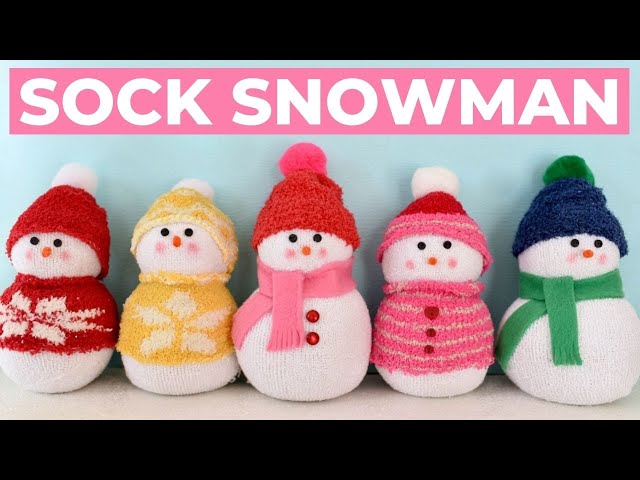
- Paper Plate Snowman: This is a classic winter craft that is easy for infants to make. Cut a paper plate in half and glue the two halves together to form a snowman. Draw on a face and add some buttons or other decorations.
- Popsicle Stick Snowflake: This is a simple and fun way to make a winter decoration. Glue six popsicle sticks together in the shape of a snowflake. Add some glitter or paint for decoration.
Winter crafts for infants can be a great way to bond with your little one and create some special memories.
Benefits of Winter Crafts for Infants:
- Develop fine motor skills
- Encourage creativity and imagination
- Provide sensory stimulation
- Promote bonding between parent and child
Tips for Winter Crafts with Infants:
- Keep it simple. Choose crafts that are easy for infants to do and that don’t require a lot of materials.
- Use safe materials. Make sure that all of the materials you use are non-toxic and safe for infants to put in their mouths.
- Supervise your infant. Always supervise your infant while they are doing crafts.
- Make it fun! Crafts should be a fun and enjoyable experience for both you and your infant.
Winter crafts for infants can be a great way to keep your little one entertained and learning during the cold winter months.
Essential Aspects of Winter Crafts for Infants
Winter crafts for infants provide a unique opportunity for sensory exploration, creativity, and bonding. These crafts can be tailored to the specific developmental needs of infants and offer a range of benefits. Here are seven key aspects to consider when engaging in winter crafts with infants:
- Sensory Stimulation: Winter crafts offer a variety of textures, colors, and sounds that can stimulate infants’ senses.
- Fine Motor Skills: Crafts that involve manipulating small objects or materials can help infants develop their fine motor skills.
- Cognitive Development: Crafts that require following instructions or solving problems can promote infants’ cognitive development.
- Creativity: Winter crafts allow infants to express their creativity and imagination through hands-on activities.
- Bonding: Crafts can provide a special opportunity for parents and infants to bond and create memories together.
- Safety: It is important to choose crafts that are safe for infants and use non-toxic materials.
- Age-Appropriate: Crafts should be chosen that are appropriate for the infant’s age and developmental stage.
These key aspects are interconnected and contribute to the overall benefits of winter crafts for infants. By considering these aspects, parents and caregivers can create a fun and enriching craft experience that supports the infant’s development and well-being.
Sensory Stimulation
Sensory stimulation is essential for infants’ development. It helps them learn about their environment and develop their senses. Winter crafts provide a variety of sensory experiences that can be beneficial for infants.
The different textures of winter crafts can help infants develop their tactile sense. They can feel the soft fur of a stuffed animal, the smooth surface of a popsicle stick, or the bumpy texture of a piece of cardboard. These experiences can help infants learn to discriminate between different textures and develop their fine motor skills.
The bright colors of winter crafts can help infants develop their visual sense. They can learn to identify different colors and track moving objects. The colorful lights of a Christmas tree or the twinkling lights of a menorah can be especially stimulating for infants.
The sounds of winter crafts can help infants develop their auditory sense. They can hear the crinkle of wrapping paper, the jingle of bells, or the sound of a winter wind chime. These experiences can help infants learn to identify different sounds and develop their language skills.
Overall, winter crafts can provide a variety of sensory experiences that can be beneficial for infants’ development. By engaging in winter crafts, infants can learn about their environment, develop their senses, and have fun.
Fine Motor Skills
Fine motor skills are the small movements that we use to manipulate objects with our hands. These skills are essential for everyday activities such as eating, dressing, and playing. Winter crafts for infants can be a great way to help them develop their fine motor skills.
Many winter crafts for infants involve manipulating small objects, such as beads, buttons, and sequins. These crafts can help infants develop their pincer grasp, which is the ability to pick up small objects between the thumb and forefinger. They can also help infants develop their hand-eye coordination and their ability to control the movement of their fingers.
In addition to developing their fine motor skills, winter crafts can also help infants develop their creativity and imagination. They can also provide a fun and bonding experience for parents and infants.
Here are a few examples of winter crafts for infants that can help them develop their fine motor skills:
- Threading beads onto a string
- Gluing buttons or sequins onto a piece of paper
- Playing with playdough or clay
- Building with blocks
- Painting with a brush or sponge
These are just a few examples of the many different winter crafts that can help infants develop their fine motor skills. By providing infants with opportunities to engage in these crafts, parents and caregivers can help them develop the skills they need to succeed in everyday life.
Cognitive Development
Cognitive development is the process by which infants learn to think, understand, and solve problems. Winter crafts for infants can be a great way to promote cognitive development by providing opportunities for infants to follow instructions, solve problems, and explore their creativity.
Many winter crafts for infants involve following simple instructions. For example, an infant may be asked to glue a button onto a piece of paper or to string beads onto a string. These activities help infants to develop their listening skills, their ability to follow directions, and their hand-eye coordination.
Other winter crafts for infants involve solving simple problems. For example, an infant may be given a pile of blocks and asked to build a tower. This activity helps infants to develop their problem-solving skills, their spatial reasoning skills, and their fine motor skills.
In addition to following instructions and solving problems, winter crafts for infants also provide opportunities for infants to explore their creativity. For example, an infant may be given a piece of paper and some crayons and asked to draw a picture of a snowman. This activity helps infants to develop their imagination, their creativity, and their self-expression.
Overall, winter crafts for infants can be a great way to promote cognitive development by providing opportunities for infants to follow instructions, solve problems, and explore their creativity.
Creativity
Winter crafts for infants provide a unique opportunity for them to explore their creativity and imagination. Through hands-on activities, infants can express themselves in a variety of ways, fostering their cognitive development and emotional well-being.
-
Exploration of Materials:
Winter crafts introduce infants to a range of materials, such as paper, fabric, paint, and natural elements. By manipulating and experimenting with these materials, infants develop their sensory perception, fine motor skills, and problem-solving abilities.
-
Imaginative Play:
Winter crafts encourage imaginative play, allowing infants to create their own worlds and scenarios. For example, they may use cardboard boxes to build a snow fort or use construction paper to create a winter landscape.
-
Self-Expression:
Winter crafts provide a safe and non-judgmental space for infants to express themselves. They can choose the colors, materials, and designs that they like, fostering their individuality and self-confidence.
-
Cognitive Development:
Engaging in winter crafts stimulates infants’ cognitive development. They learn about different shapes, sizes, textures, and colors. They also develop their hand-eye coordination and problem-solving skills.
In conclusion, winter crafts for infants are a valuable tool for fostering their creativity, imagination, and overall development. By providing infants with opportunities to explore, play, and express themselves, these crafts contribute to their cognitive, emotional, and physical well-being.
Bonding
Winter crafts offer a unique and special opportunity for parents and infants to strengthen their bond and create lasting memories.
The shared experience of crafting together fosters a sense of intimacy and connection. Parents and infants can engage in meaningful interactions, sharing laughter, smiles, and moments of discovery.
As they work together, parents and infants learn to communicate and cooperate. They take turns, share materials, and help each other solve problems.
The resulting artwork serves as a tangible reminder of the special time spent together. Parents and infants can proudly display their creations, cherishing the memories associated with them.
In addition to the emotional benefits, winter crafts also provide opportunities for infants to develop their cognitive and physical skills. By manipulating materials, they improve their fine motor skills and hand-eye coordination.
Overall, winter crafts for infants are a wonderful way to strengthen the parent-infant bond, create lasting memories, and support the infant’s development.
Safety
When engaging in winter crafts with infants, safety should be a top priority. Infants are naturally curious and may put anything they can reach into their mouths. Therefore, it is essential to choose crafts that are age-appropriate and made with non-toxic materials.
-
Age-Appropriate Crafts:
Select crafts that are designed for infants’ developmental stage. Avoid crafts with small parts or sharp edges that could pose a choking or injury hazard.
-
Non-Toxic Materials:
Use materials that are specifically labeled as non-toxic and safe for infants. Avoid materials that contain harmful chemicals or dyes.
-
Supervision:
Always supervise infants while they are engaged in crafts. This ensures that they are using the materials safely and prevents any accidents.
-
Cleaning and Storage:
Clean up any craft materials or supplies immediately after use. Store materials in a safe place, out of reach of infants.
By following these safety guidelines, parents and caregivers can provide a safe and enjoyable winter crafting experience for their infants.
Age-Appropriate
When selecting winter crafts for infants, it is crucial to consider age-appropriateness to ensure the safety and developmental benefits of the activity. Age-appropriate crafts are designed to align with the infant’s physical, cognitive, and emotional abilities, promoting their growth and well-being.
For infants under 6 months, simple crafts that involve sensory exploration and gross motor skills are suitable. For example, a sensory bin filled with soft materials like cotton balls or rice can stimulate their tactile senses and encourage exploration. As infants grow older, crafts that involve fine motor skills and hand-eye coordination become more appropriate. Activities such as threading large beads onto a string or painting with finger paints can help develop these skills.
Choosing age-appropriate crafts is essential for several reasons. First, it ensures that the craft is safe for the infant. Crafts with small parts or sharp edges can pose choking or injury hazards for younger infants. Second, age-appropriate crafts promote the infant’s development by providing challenges that are neither too easy nor too difficult. This helps them build confidence and a sense of accomplishment.
Overall, considering age-appropriateness when selecting winter crafts for infants is crucial for their safety, development, and overall enjoyment of the activity.
Winter crafts for infants refer to creative activities designed specifically for babies during the winter season. These crafts engage infants’ senses, foster their development, and provide a fun and bonding experience for both infants and their caregivers.
Winter crafts offer numerous benefits for infants. They stimulate sensory exploration, develop fine and gross motor skills, encourage creativity and imagination, and promote cognitive development. Additionally, winter crafts can be a wonderful way for infants to socialize and bond with their caregivers, creating lasting memories.
A variety of winter crafts are suitable for infants, including sensory bins filled with winter-themed materials, simple painting activities with non-toxic paints, and age-appropriate construction projects using materials like cardboard or playdough. It is important to choose crafts that are safe and age-appropriate, ensuring that materials are non-toxic and that infants are supervised during activities.
FAQs on Winter Crafts for Infants
Winter crafts for infants offer many benefits, but parents and caregivers may have questions or concerns before engaging in these activities. This FAQ section addresses some common inquiries to provide clear and informative guidance.
Question 1: What are the developmental benefits of winter crafts for infants?
Answer: Winter crafts provide a range of developmental benefits for infants, including sensory stimulation, fine and gross motor skill development, creativity and imagination encouragement, and cognitive development.
Question 2: How can I choose age-appropriate winter crafts for my infant?
Answer: When selecting winter crafts for infants, it is crucial to consider their age and developmental stage. Choose crafts that align with their abilities and ensure their safety. For infants under 6 months, focus on sensory exploration and gross motor skills. As they grow older, you can introduce crafts that develop fine motor skills and hand-eye coordination.
Question 3: What are some safety precautions to take when doing winter crafts with infants?
Answer: Safety should be a top priority during winter crafts with infants. Choose crafts with non-toxic materials and avoid small parts or sharp edges that could pose choking or injury hazards. Always supervise infants closely during activities and clean up any craft materials or supplies immediately after use.
Question 4: How can I make winter crafts more enjoyable for both infants and caregivers?
Answer: To enhance the enjoyment of winter crafts, consider the infant’s interests and developmental level. Keep the activities short and engaging, and provide a variety of materials and textures to explore. Encourage infants to participate at their own pace and make the experience fun and interactive.
Question 5: What are some creative winter craft ideas for infants?
Answer: There are endless possibilities for creative winter crafts for infants. Some popular ideas include sensory bins filled with winter-themed materials like snow or cotton balls, simple painting activities with non-toxic paints, and age-appropriate construction projects using materials like cardboard or playdough.
Question 6: Where can I find more resources and ideas for winter crafts with infants?
Answer: Numerous resources are available online and in libraries that provide ideas and inspiration for winter crafts suitable for infants. Additionally, reaching out to local community centers or early childhood educators can offer valuable insights and suggestions.
Summary of key takeaways or final thought:
Winter crafts for infants are a wonderful way to stimulate their development, foster their creativity, and create special bonding moments between infants and their caregivers. By choosing age-appropriate crafts, prioritizing safety, and making the experience enjoyable, winter crafts can contribute to the overall well-being and happiness of infants during the winter season.
Conclusion
Winter crafts for infants offer a myriad of benefits that contribute to their sensory exploration, cognitive development, and overall well-being. These crafts provide opportunities for infants to engage their senses, develop fine and gross motor skills, express their creativity, and bond with their caregivers.
By incorporating winter crafts into their daily routine, parents and caregivers can create a stimulating and enriching environment for infants during the winter season. These activities not only provide entertainment but also serve as valuable learning experiences that lay the foundation for future development and creativity.
Youtube Video: