 Cyrille Patenaude
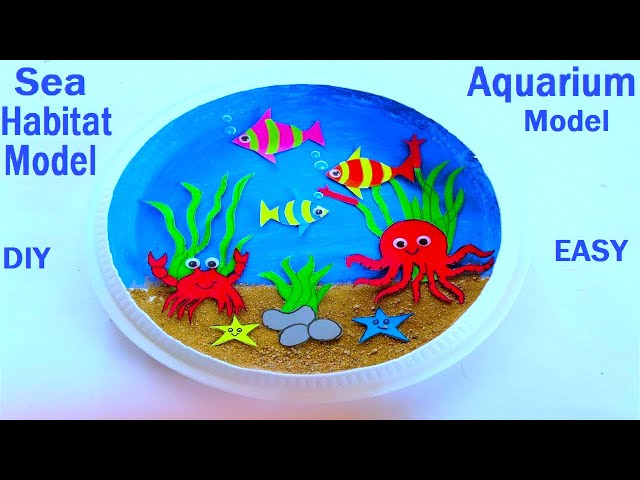
 Preschool ocean animal crafts offer a fantastic way to engage young children in learning about marine life while fostering creativity and fine motor skills. These hands-on activities provide opportunities for exploration, imagination, and the development of essential early childhood skills. Through playful creation, children can better understand ocean ecosystems and the diverse creatures that inhabit them, sparking curiosity and a sense of wonder about the natural world. The process itself encourages problem-solving, improves hand-eye coordination, and strengthens their understanding of colors, shapes, and textures. Ultimately, preschool ocean animal crafts create a fun and educational experience that benefits children in many ways.
Preschool ocean animal crafts are valuable educational tools, seamlessly blending learning and play. They stimulate a child’s imagination, transforming simple materials into vibrant representations of ocean life. This hands-on approach promotes deeper understanding and retention of information compared to passive learning methods. Furthermore, these crafts can be adapted to various developmental levels, ensuring inclusivity and engagement for all preschoolers. The projects encourage collaborative learning, allowing children to share ideas and assist one another.
The tactile nature of these crafts enhances sensory exploration and fine motor skill development. Children build confidence as they complete projects, and the sense of accomplishment boosts their self-esteem. The vibrant colors and textures used in these crafts are naturally captivating for young children. These crafts also offer opportunities for parents and educators to engage in meaningful interactions, guiding and supporting the children through the creative process. Successfully completing a project instills pride and reinforces positive learning experiences.
Examples of Engaging Preschool Ocean Animal Crafts
The following examples demonstrate the variety and accessibility of preschool ocean animal crafts. Each craft is designed to be simple enough for preschoolers to manage with minimal adult assistance, while still providing a stimulating and rewarding creative experience. The projects utilize readily available materials, minimizing preparation time and costs. The focus is on encouraging imaginative expression and the exploration of diverse ocean creatures.
Paper Plate Octopus
Estimated time: 20-30 minutes. This simple craft utilizes readily available materials and encourages creativity in designing the octopus. Children develop fine motor skills while practicing their cutting, gluing, and drawing abilities.
- Cut out eight tentacles from construction paper.
- Glue the tentacles to the back of a paper plate.
- Draw two eyes on the plate.
- Decorate the octopus with markers or crayons.
Toilet Paper Roll Crab
Estimated time: 15-20 minutes. This project uses recycled materials and allows for personalization. Children can learn about the physical characteristics of crabs and express their creativity through decoration.
- Cut two slits on each side of a toilet paper roll.
- Fold the cut pieces outwards to create legs.
- Decorate the crab with paint, markers, or construction paper.
- Glue on googly eyes.
Salt Dough Fish
Estimated time: 45-60 minutes (plus drying time). This project involves mixing and shaping dough, encouraging fine motor skill development and sensory exploration. The baking process adds an exciting element to the craft.
- Mix salt dough (flour, salt, water).
- Roll out the dough and cut out fish shapes.
- Bake the fish until hardened.
- Decorate the fish with paint and glitter.
Handprint Seahorse
Estimated time: 15-20 minutes. A simple yet effective craft that utilizes handprints to create a unique seahorse. Children build their self-esteem while celebrating their individual handprints.
- Trace a child’s hand on construction paper.
- Cut out the handprint.
- Add a tail, eyes, and fins.
- Decorate the seahorse with markers or paint.
Egg Carton Jellyfish
Estimated time: 20-30 minutes. This craft uses recycled materials and involves cutting, gluing, and decorating. The project enhances fine motor skills and promotes environmental awareness.
- Cut individual cups from an egg carton.
- Paint the cups and let them dry.
- Cut long strips of tissue paper or crepe paper.
- Glue the strips to the bottom of the cups to create tentacles.
- Add googly eyes.
Seashell Turtle
Estimated time: 20-30 minutes. This craft combines natural materials with creativity, promoting exploration and appreciation for nature’s beauty.
- Glue several seashells onto a larger shell or piece of cardboard to form the turtle’s shell.
- Cut out a head and feet from construction paper.
- Glue the head and feet onto the shell.
- Draw or glue on eyes.
Preschool ocean animal crafts are not simply enjoyable activities; they are valuable educational experiences. They provide opportunities for children to develop crucial skills while exploring the fascinating world beneath the waves. Through these hands-on projects, children learn about various ocean creatures and their habitats, fostering environmental awareness and appreciation for marine life.
The benefits extend beyond academics; these crafts strengthen social-emotional development. Collaborative activities build teamwork and communication skills. The pride children feel in creating something beautiful builds confidence and self-esteem. These crafts can be easily tailored to individual needs and abilities, ensuring all children can participate and succeed. The results often serve as cherished keepsakes.
Tips for Successful Preschool Ocean Animal Crafts
Careful planning and preparation enhance the effectiveness of these crafts. Providing clear instructions and appropriate materials are key components to a successful experience. Encouraging creativity without overly directing the process ensures engagement and a positive learning atmosphere. The entire process should be fun, collaborative, and inclusive.
Remember, the aim is to encourage imagination and self-expression, not necessarily perfection. Focusing on the learning process rather than the final product is paramount. Patience and understanding are essential when working with young children. A positive and supportive environment facilitates learning and creativity.
-
Age-Appropriate Materials:
Choose materials that are safe and easy for preschoolers to handle. Opt for non-toxic paints, glue, and crayons. Avoid small parts that could pose a choking hazard. Consider the dexterity of the children and select projects accordingly. Provide assistance as needed, adapting activities for varying skill levels.
-
Clear Instructions:
Demonstrate the steps clearly and concisely, using simple language that young children can understand. Break down complex tasks into smaller, manageable steps. Provide visual aids such as pictures or diagrams to reinforce instructions. Ensure that all instructions are age-appropriate and clearly explained for easier understanding.
-
Encouraging Creativity:
Allow children to express their individuality. Don’t be afraid to let them deviate from the instructions if they have their own ideas. Provide a range of materials and allow for experimentation. Positive reinforcement and encouragement foster confidence and creativity. Celebrate their unique creations and efforts equally.
-
Focus on Process, Not Product:
Emphasize the process of creation over the final result. Praise effort and participation, even if the finished craft isn’t perfect. Focus on the skills learned and the fun had during the activity. Encourage collaboration and sharing of ideas and materials. The goal is to make it a fun and educational journey for everyone.
-
Cleanup Procedures:
Establish clear cleanup procedures before starting the activity. Assign roles or tasks to the children to promote responsibility. Involve children in the process to establish good habits. Ensure adequate time for cleanup is allotted. Make cleanup a collaborative and engaging process to encourage participation.
Preschool ocean animal crafts provide a unique opportunity to combine education and entertainment. The hands-on approach enhances learning and skill development. It’s a chance to cultivate curiosity and appreciation for the marine environment in a fun, engaging way. These experiences should be remembered as positive and enjoyable memories for young children.
By incorporating these crafts into the preschool curriculum, educators can enhance the learning experience for children. They offer a unique blend of creative expression and academic learning, creating a comprehensive and memorable educational experience. These crafts cater to diverse learning styles and abilities, making them ideal for an inclusive preschool setting.
Frequently Asked Questions about Preschool Ocean Animal Crafts
Many questions arise when planning and executing these projects, encompassing safety, materials, and educational outcomes. Understanding these questions allows for better preparation and successful implementation. Addressing common concerns helps educators and parents confidently incorporate these valuable activities into early childhood education.
What materials are best suited for preschool ocean animal crafts?
Non-toxic paints, construction paper, glue sticks, crayons, googly eyes, and recycled materials like egg cartons and toilet paper rolls are all excellent choices. Natural materials like seashells can also be incorporated. Prioritize safety and avoid small parts that could pose a choking hazard. Ensure all materials used are age-appropriate and safe for young children to handle without supervision.
How can I adapt these crafts for different skill levels?
For younger or less-skilled preschoolers, simplify the steps and provide more assistance. For older or more advanced children, allow for more independence and encourage creativity through more complex designs or the addition of details. Adapt the complexity of the steps based on the age and skill levels of the children. Provide appropriate levels of assistance as needed.
How can I make these crafts educational?
Incorporate learning opportunities by discussing the characteristics of each ocean animal, their habitats, and their roles in the ecosystem. Connect the crafts to relevant books, songs, or videos. This approach makes the craft activity a richer, more meaningful learning experience for the child.
What are the benefits of using recycled materials?
Using recycled materials promotes environmental awareness and sustainability. It reduces waste and introduces children to the concept of repurposing materials creatively. It also reduces the overall cost of the crafts. The use of recycled materials makes the activity more environmentally conscious and economical.
How can I ensure safety during these crafts?
Supervise children closely during the activities, particularly when using scissors, glue, or paint. Choose non-toxic and age-appropriate materials. Address any safety concerns proactively before beginning the project. Establish clear rules and expectations for responsible behavior during the craft activity.
Preschool ocean animal crafts are valuable tools for early childhood education, enriching learning through creative exploration. These engaging activities foster various skills and knowledge, creating a positive and productive learning environment. The impact extends beyond the immediate activity, leaving lasting impressions and fostering a love for marine life.
The carefully planned execution of these crafts guarantees a successful and enriching experience. The outcome is more than just completed projects; it’s about developing essential skills, stimulating imagination, and fostering a connection with the natural world. The positive learning environment created fosters creativity, confidence, and a love for learning.
Key Aspects of Preschool Ocean Animal Crafts
Analyzing preschool ocean animal crafts from various perspectives highlights their educational significance and impact on young learners. Considering their multifaceted nature helps educators and parents fully appreciate their value and effectively incorporate them into learning programs.
Creativity
Preschool ocean animal crafts nurture creativity by allowing children to express their individual ideas and interpretations. The open-ended nature of many of these projects encourages experimentation with colors, shapes, and textures. Children can personalize their creations, leading to a sense of ownership and pride in their work. This fosters self-expression and a love for creative pursuits.
Learning
These crafts provide a hands-on learning experience, enhancing understanding of ocean life and habitats. They connect abstract concepts with tangible experiences. By creating representations of marine animals, children build a deeper understanding of their physical characteristics and behaviors. The learning process is engaging and memorable, reinforcing knowledge retention.
Skill Development
Fine motor skills are honed through cutting, gluing, and manipulating materials. Cognitive skills develop as children follow instructions, problem-solve, and make creative choices. Social-emotional skills grow through collaboration and sharing. The overall development of these skills is crucial for children’s growth and well-being.
Engagement
The inherent fun and playful nature of these activities ensures high engagement levels among preschoolers. The tactile experience stimulates sensory exploration and interest. Children are naturally drawn to vibrant colors, interesting textures, and the creation of something unique. This engagement translates to higher levels of learning and retention.
The integration of creativity, learning, skill development, and engagement makes preschool ocean animal crafts powerful educational tools. These components work synergistically to create a rich and rewarding experience for young children. The positive impact extends beyond the immediate activity, fostering a lifelong love for learning and creative expression.
The benefits of incorporating these crafts into early childhood education are significant. They provide a valuable opportunity to enhance cognitive, social, and physical development in a playful and engaging manner. These activities are not merely crafts; they are essential elements in a holistic early childhood learning program.
Preschool ocean animal crafts offer a unique blend of learning and fun, making them a valuable component of early childhood education. The positive effects on children’s cognitive, physical, and social-emotional development are undeniable, making them a worthwhile investment in a child’s overall development.
Youtube Video: