 Cyrille Patenaude
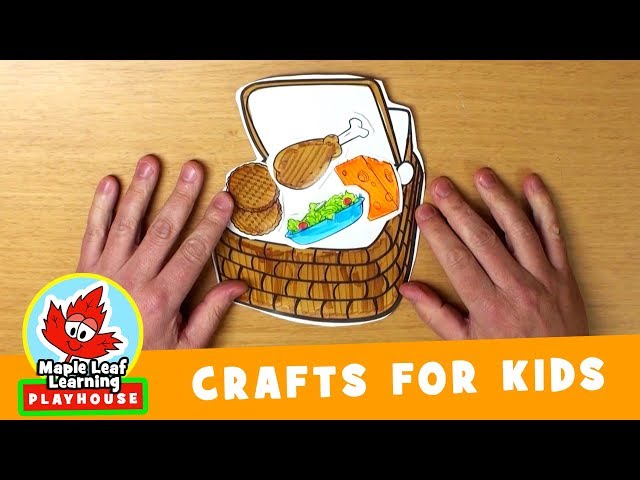
 Picnic crafts preschool activities offer a delightful way to combine creative expression with thematic learning. These engaging projects foster fine motor skills, imaginative play, and an appreciation for nature’s beauty, all within a fun and educational setting. Preschoolers develop crucial skills through hands-on creation, and the picnic theme provides a relatable and exciting context. This article explores various craft ideas suitable for preschoolers, emphasizing the importance of age-appropriate materials and simple instructions. The goal is to provide educators and parents with readily adaptable resources to enhance their preschool curriculum.
Picnic crafts preschool activities are particularly valuable because they connect learning to real-world experiences. Children can relate to the concept of a picnic, and the crafts act as a tangible extension of this familiar setting. The activities stimulate creativity by allowing children to express themselves through different mediums and techniques. Moreover, the collaborative nature of many of these crafts encourages teamwork and social interaction amongst the preschoolers. Successfully completing a craft project builds confidence and self-esteem in young learners, fostering a sense of accomplishment.
The versatility of picnic-themed crafts allows for adaptation to various skill levels and learning styles. Simple projects cater to younger children, while more complex options challenge older preschoolers. The projects can be tailored to suit specific learning objectives, such as color recognition, shape identification, or counting skills. By carefully selecting materials and designing the instructions, educators can ensure that every child has a rewarding and engaging experience. The overall impact is a positive learning environment.
Picnic Crafts Preschool
The following section details several picnic-themed craft projects ideal for preschool-aged children. Each project emphasizes simplicity, utilizing readily available materials and straightforward instructions. The estimated completion times are approximate and may vary based on the children’s age and individual pace. Safety considerations, such as adult supervision and age-appropriate materials, should always be prioritized.
Paper Plate Picnic Baskets
Estimated time: 20-30 minutes. This project utilizes readily available paper plates to create charming picnic baskets. Children will develop fine motor skills while decorating their baskets and learning about shapes and colors.
- Provide each child with a paper plate.
- Have them color or decorate the plate with crayons, markers, or paint.
- Fold the plate in half, creating a basket shape.
- Secure the folded edges with glue or staples.
- Add a handle made from yarn or ribbon.
Handprint Picnic Sandwiches
Estimated time: 15-20 minutes. This craft uses handprints to create whimsical picnic sandwiches. Children will improve their hand-eye coordination while engaging in imaginative play.
- Have each child trace their hand on construction paper.
- Cut out the handprints.
- Glue the handprints onto another sheet of construction paper to form a sandwich.
- Add details like lettuce, tomato, and cheese using colored paper or markers.
Paper Bag Picnic Blankets
Estimated time: 25-35 minutes. Brown paper bags are transformed into personalized picnic blankets. This craft allows children to explore texture and creativity while practicing cutting and gluing skills.
- Provide each child with a brown paper bag.
- Have them decorate the bag with crayons, markers, paint, or fabric scraps.
- Cut out fringe along the edges of the bag to simulate a blanket’s texture.
- Optional: Add small toy figures or cutouts to represent picnic items.
Popsicle Stick Picnic Tables
Estimated time: 30-40 minutes. This project engages children in building and constructing a miniature picnic table using popsicle sticks. Spatial reasoning and fine motor skills are enhanced through the assembly process.
- Provide each child with several popsicle sticks and glue.
- Guide them in creating a rectangular tabletop by gluing popsicle sticks together.
- Attach four legs made from popsicle sticks to the tabletop.
- Decorate the table with paint or markers.
Picnic crafts preschool activities provide valuable opportunities for integrated learning, seamlessly blending art, science, and social studies elements. The theme lends itself well to discussions about healthy eating habits, different types of food, and the importance of spending time outdoors with friends and family. This holistic approach ensures that learning extends beyond mere craft creation and delves into broader cognitive and social aspects.
The positive impact on preschoolers development extends beyond immediate craft outcomes. These activities cultivate critical thinking, problem-solving, and aesthetic appreciation. They promote fine motor dexterity, hand-eye coordination, and color recognition skills. By engaging children in these creative exercises, educators and parents lay a solid foundation for future learning and skill development.
Picnic Crafts Preschool
These tips ensure smooth and successful implementation of picnic crafts preschool activities, maximizing their educational value and enjoyment for preschoolers. Careful planning and organization are key to creating a positive and productive crafting experience.
Remember that preparation is vital to a well-organized activity. Gathering materials beforehand and having clear instructions readily available will reduce potential disruptions.
-
Age-Appropriate Materials:
Select non-toxic, age-appropriate materials that are safe for young children to handle. Avoid small parts that could pose a choking hazard.
-
Clear Instructions:
Provide simple, step-by-step instructions that are easy for preschoolers to follow. Use visual aids where possible to enhance understanding.
-
Adult Supervision:
Always supervise children during craft activities. This ensures their safety and assists them when needed. This allows for immediate attention to any difficulties or safety concerns.
-
Creative Freedom:
Encourage children’s creativity and individuality. Allow them to personalize their crafts and express their own artistic vision. This fosters self-expression and boosts confidence.
-
Clean-Up Procedures:
Establish clear clean-up procedures at the beginning of the activity to maintain a tidy and organized workspace. This contributes to a well-structured learning environment.
-
Theme Expansion:
Extend the learning by incorporating related books, songs, or games into the picnic theme. This creates a more immersive and engaging educational experience for the children.
Careful planning and attention to detail are fundamental for executing these activities effectively. This ensures the success of the picnic crafts preschool activities, enriching the learning experience.
The success of picnic crafts preschool activities hinges on thoughtful preparation and effective execution. Careful consideration of age-appropriateness, safety, and clear instructions are paramount to a positive learning experience. By implementing these strategies, educators and parents can foster creativity, skill development, and a love for learning in young children.
Picnic Crafts Preschool
This section addresses frequently asked questions about implementing picnic crafts preschool activities. These answers provide practical guidance and address common concerns regarding safety, organization, and overall effectiveness.
What if a child struggles with a particular craft?
Provide additional support and guidance as needed. Break down the task into smaller, more manageable steps. Offer alternative materials or techniques if necessary. Focus on encouragement and praise to build the child’s confidence and motivate them to continue.
How can I adapt these crafts for children with different abilities?
Modify the crafts to accommodate the individual needs and abilities of each child. Consider using alternative materials, simplifying instructions, or providing additional support as necessary. Remember to celebrate every child’s effort and achievement.
What are some ways to incorporate these crafts into a larger curriculum?
Connect the crafts to other aspects of the preschool curriculum, such as language arts, math, and science. For example, children could count the items in their picnic baskets or write stories about their picnic adventures. Integration makes learning more relevant and engaging.
Are there any alternatives to the suggested materials?
Yes, many materials can be substituted based on availability and budget. For example, instead of paper plates, you could use cardboard or recycled materials. Encourage creativity and resourcefulness in finding suitable alternatives.
How can I assess children’s learning through these activities?
Observe children’s participation, focus, problem-solving skills, and creative expression during the craft activities. Note their fine motor skills, collaborative efforts, and ability to follow instructions. Focus on progress and effort, not just final product.
The value of picnic crafts preschool activities extends far beyond the creation of simple crafts. These activities contribute significantly to a child’s holistic development, fostering fine motor skills, creative thinking, and social-emotional growth within a fun and engaging framework.
Implementing these activities effectively requires careful planning and preparation, considering age-appropriateness, safety, and individual needs. By adhering to best practices and providing ample support, educators and parents can maximize the educational benefits and create lasting positive experiences for the children.
Picnic Crafts Preschool
Understanding the key aspects of picnic crafts in a preschool setting requires considering the inherent qualities and objectives associated with the activity. These aspects shape the overall impact and educational value of the experience.
Creativity
Creativity is fostered through open-ended projects, allowing for self-expression and unique interpretations. Children develop their imaginative abilities through their own designs and choices of materials and colors. This encourages individuality and a sense of ownership over their creations. The ability to freely design their picnic crafts contributes to their overall artistic development.
Skill Development
Fine motor skills are honed through activities involving cutting, pasting, gluing, and manipulating small objects. Hand-eye coordination is enhanced through precise movements. The focus on detail and dexterity contributes to improved hand strength and control. These skills are crucial for future academic success.
Thematic Learning
The picnic theme provides a relatable and engaging context for learning. It can be integrated with other areas of the curriculum, including language arts, math, and science. Children can learn about healthy eating habits, different types of food, and nature. This contextual learning enhances comprehension and retention.
Social Interaction
Collaborative projects encourage teamwork, communication, and social skills. Children learn to work together, share materials, and resolve conflicts constructively. The shared experience of creating something together builds camaraderie and strengthens social bonds. This fosters a positive classroom environment.
The interconnectivity of these key aspects underlines the holistic nature of picnic crafts preschool activities. Each component contributes to a richer learning experience that goes beyond simple craft-making, impacting cognitive, social, and emotional development.
Through thoughtful planning and execution, educators can leverage the power of picnic crafts in preschool settings to achieve a broad range of educational goals, fostering creativity, skill development, and positive social interaction. These engaging activities lay a strong foundation for future learning and personal growth.
In conclusion, effectively incorporating picnic crafts into the preschool curriculum offers numerous benefits for young children. These engaging activities provide opportunities for creative expression, skill development, and social interaction, all within a fun and educational context. By utilizing age-appropriate materials and clear instructions, educators can maximize the learning potential of picnic crafts preschool activities. The ultimate aim is to foster a love for learning and a sense of accomplishment in every child.
Youtube Video: