 Cyrille Patenaude
 Ocean animal crafts preschool activities offer a fun and engaging way for young children to learn about marine life. These hands-on projects foster creativity, fine motor skills development, and a deeper appreciation for the ocean’s diverse inhabitants. Through imaginative play and artistic expression, preschoolers can explore different ocean animals and their unique characteristics. The tactile nature of these crafts enhances learning, making it a memorable and enriching experience. Such activities also offer opportunities for collaborative learning and social interaction.
Ocean animal crafts in a preschool setting provide a valuable opportunity for educators to integrate various learning objectives. Children develop crucial fine motor skills through activities like cutting, gluing, and painting. Moreover, the process encourages creativity and self-expression as children transform simple materials into imaginative ocean creatures. The educational value extends beyond skill development; understanding the different ocean animals through crafts fosters a sense of wonder and respect for the marine environment. This contributes to early childhood environmental education goals.
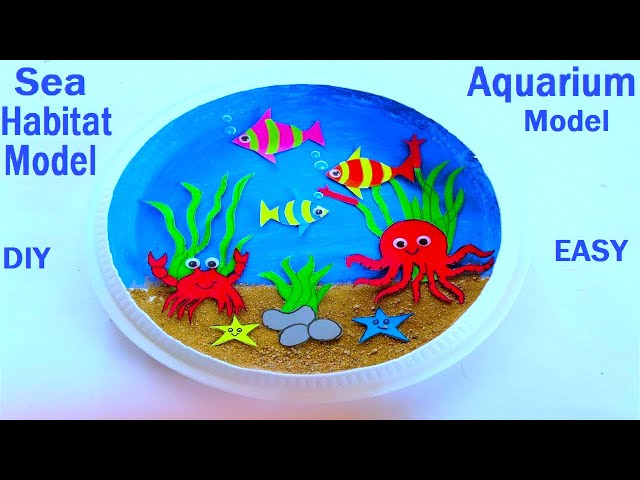
Furthermore, ocean animal crafts can be adapted to suit various learning styles and developmental stages within a preschool classroom. Simple projects, like creating jellyfish with tissue paper, are suitable for younger children, while more complex crafts, like building a 3D ocean habitat, challenge older preschoolers. The flexibility allows for differentiated instruction, ensuring all children are engaged and challenged appropriately. The projects can also be integrated with other areas of the curriculum, such as storytelling, counting, and color recognition, promoting holistic learning.
Ocean Animal Crafts Preschool Project Examples and Guidelines
The following examples demonstrate how simple materials can be transformed into engaging and educational ocean animal crafts suitable for a preschool setting. Each project is designed to be easily adaptable to different skill levels and to foster both individual and group creativity. Estimated completion times are provided as a guideline, and can vary based on the children’s age and experience.
Paper Plate Fish
This project takes approximately 20-30 minutes to complete. Children create colorful fish using readily available materials. The process enhances fine motor skills and color recognition.
- Cut out a paper plate in half.
- Decorate the semi-circle with paint, markers, or crayons.
- Cut out small shapes for eyes and add them to the fish.
- Attach a small triangle as a tail.
- Add glitter or other embellishments for extra flair.
Toilet Paper Roll Octopus
This craft takes about 15-25 minutes to complete and provides opportunities for creativity and fine motor skill development. Children build their own unique octopuses using simple recycled materials.
- Paint a toilet paper roll.
- Cut eight strips of construction paper for tentacles.
- Attach the tentacles to one end of the roll.
- Add googly eyes and other embellishments.
- Optionally, add details with markers or crayons.
Salt Dough Sea Turtles
Creating salt dough sea turtles takes around 45-60 minutes, including drying time. This project combines art with science, encouraging children to learn about the characteristics of sea turtles.
- Make salt dough (flour, salt, water).
- Roll out the dough and cut out a turtle shape.
- Use a toothpick to create textured details like scales.
- Bake the turtle until hard.
- Decorate with paint and other embellishments.
Paper Bag Shark
This fun craft takes approximately 20-30 minutes to complete. The process involves creative shaping and decorating, improving fine motor skills and imaginative thinking.
- Cut a brown paper bag into a shark shape.
- Add triangular fins using construction paper.
- Create the mouth with black marker or paint.
- Draw or glue on eyes and gills.
- Add details such as teeth and stripes.
Handprint Crab
Creating handprint crabs takes about 15-20 minutes. Children use their own hands to create the body of the crab, leading to a sense of ownership and pride in their craft.
- Trace a child’s hand on colored construction paper.
- Cut out the handprint.
- Add two smaller handprints for claws.
- Draw or glue on eyes.
- Optionally add legs with additional lines.
Cotton Ball Jellyfish
This project is estimated to take around 15 minutes to finish. Using cotton balls creates a light and fluffy jellyfish that emphasizes texture and sensory exploration.
- Glue cotton balls to a circular piece of paper or cardboard.
- Add colorful ribbons or yarn as tentacles.
- Draw or glue on simple eyes.
- Optionally, add glitter or sequins for extra sparkle.
Ocean animal crafts for preschool are not just about creating cute animals; they are a valuable tool for learning and development. These crafts nurture creativity, while also providing a fun way to learn about marine life and conservation. The diverse range of projects caters to various skill levels and interests.
By offering a variety of media and techniques, these crafts promote a multi-sensory learning experience, encouraging children to explore texture, color, and shape. Its important to remember the process is as important as the product. The focus should be on the children’s enjoyment and learning, not on creating perfect replicas.
Tips for Successful Ocean Animal Crafts Preschool Activities
Successful implementation of ocean animal crafts in a preschool setting requires careful planning and execution. Consider the children’s developmental stages and adapt the projects accordingly. Safety is paramount, ensuring all materials are age-appropriate and used responsibly. Encouraging collaboration and sharing enhances the social-emotional learning aspects of these activities.
Remember to create a positive and encouraging atmosphere where children feel comfortable to experiment and express themselves. Prioritize the learning process over the finished product, focusing on the skills acquired and the knowledge gained.
-
Age-Appropriate Materials:
Select non-toxic, child-safe materials. Consider using larger pieces for younger children to reduce choking hazards. Supervise the use of scissors and other potentially sharp tools.
-
Preparation is Key:
Pre-cut shapes and prepare materials ahead of time to maximize craft time. Having everything ready minimizes disruptions and allows for a smoother workflow.
-
Differentiated Instruction:
Offer various levels of complexity to cater to different skill levels. Some children might need more support, while others can work more independently.
-
Focus on the Process:
Emphasize the learning experience and the development of skills, rather than the final outcome. Praise effort and creativity, not just perfection.
-
Clean-Up Time:
Incorporate clean-up into the craft activity. Teach children to tidy up their workspaces and dispose of materials appropriately. This helps instill responsibility and orderliness.
-
Theme Integration:
Connect the crafts to other learning areas, such as reading stories about ocean animals or learning about ocean habitats. This creates a more holistic learning experience.
-
Collaboration and Sharing:
Encourage children to work together, share materials, and help each other. This fosters social interaction and teamwork.
The success of ocean animal crafts in preschool lies in their ability to engage children in a fun and enriching learning experience. These crafts offer a unique blend of creativity, skill development, and knowledge acquisition. Remember to make it fun and enjoyable for all involved.
By integrating ocean animal crafts effectively into the preschool curriculum, educators can create a dynamic and engaging learning environment. The positive impact on childrens development makes these activities a worthwhile investment of time and resources.
Frequently Asked Questions about Ocean Animal Crafts Preschool
Educators and parents often have questions about implementing ocean-themed crafts in preschool settings. This section addresses some common concerns to provide clarity and guidance.
What are the best materials for ocean animal crafts in preschool?
The ideal materials are non-toxic, easy to handle, and readily available. Construction paper, paint, glue, crayons, recycled materials (toilet paper rolls, egg cartons), and natural materials like shells can all be effectively utilized. Prioritize safety and age-appropriateness.
How can I adapt ocean animal crafts for children with diverse needs?
Adapt projects to meet individual needs by adjusting the level of complexity, providing alternative tools or techniques (e.g., using larger paintbrushes or pre-cut shapes), offering more support, and focusing on the child’s strengths and abilities. Collaboration with specialists can assist in tailoring activities to specific requirements.
How can I make ocean animal crafts more engaging and interactive?
Incorporate storytelling, songs, or games related to the ocean animals being crafted. Use different textures, colors, and materials to stimulate the senses. Let children choose their own designs and embellishments to foster creativity and personal expression. Consider field trips or guest speakers for enhanced engagement.
How can I assess learning outcomes from ocean animal crafts?
Observe children’s participation, engagement, and skill development during the activity. Assess their ability to follow instructions, use tools effectively, and express their creativity. Informal assessments, such as observation checklists, can be used to track progress. Discussions and questions can reveal their understanding of ocean animals.
What are the benefits of incorporating ocean animal crafts into the preschool curriculum?
These crafts provide opportunities for fine motor skill development, creativity and self-expression, knowledge acquisition about marine life, environmental awareness, and social-emotional learning through collaboration and sharing. The activities promote a fun and holistic learning experience.
Ocean animal crafts offer a rich and engaging learning experience for preschool children. They promote creativity, fine motor skills development, and a deeper understanding of marine life and conservation.
Remember to prioritize safety, adapt activities to meet diverse needs, and focus on the process as much as the product to maximize the benefits of these valuable educational experiences.
Key Aspects of Ocean Animal Crafts Preschool
Analyzing “ocean animal crafts preschool” based on its key terms reveals several crucial facets for effective implementation and maximizing educational impact. These facets inform the planning, execution, and assessment of the craft activities within the preschool environment.
Ocean
The ocean provides the thematic foundation. It introduces diverse marine life, habitats, and conservation themes relevant to early childhood education. Understanding the ocean’s vastness and its inhabitants drives curiosity and fosters respect for the marine ecosystem.
Animal
Specific ocean animals become the focal point of the crafts, enabling targeted learning about individual species and their characteristics. Children can explore differences in appearance, behavior, and habitats, enriching their biological understanding.
Crafts
The craft aspect emphasizes hands-on learning. The creative process encourages fine motor skills, artistic expression, and problem-solving. Children utilize various materials and techniques, developing dexterity and critical thinking.
Preschool
The preschool context underscores the developmental appropriateness of the activities. Crafts are designed to suit the cognitive, social-emotional, and physical abilities of young children. Activities are adapted to match the specific needs and developmental stages of the students.
The interaction between these key aspects the ocean’s diversity, specific ocean animals, creative craft activities, and the preschool learning context creates a synergistic learning experience. Careful consideration of each element ensures effective and engaging lessons for young children.
Ocean animal crafts provide a unique opportunity to introduce children to the beauty and importance of marine ecosystems. Through hands-on activities, children learn about various animals, developing their fine motor skills and creative abilities.
Effective implementation requires careful planning, age-appropriate materials, and a focus on the learning process. By incorporating these elements, preschool educators can transform simple crafts into rich, engaging, and educational experiences.
In conclusion, well-planned ocean animal crafts are a valuable addition to any preschool curriculum, offering a multifaceted approach to early childhood learning and development.
Youtube Video: