 Cyrille Patenaude
Craft Activities for Kids
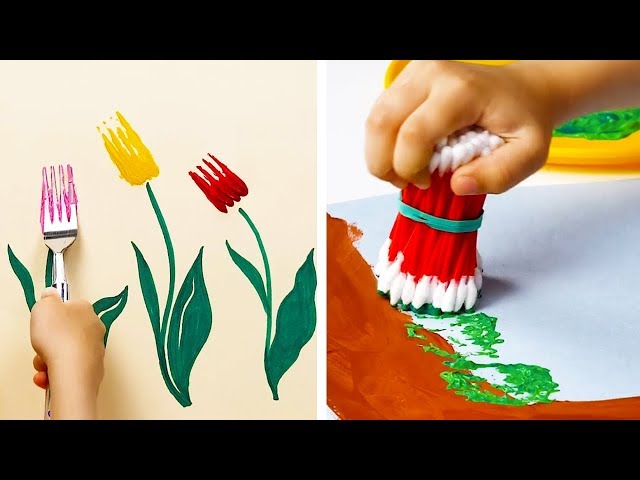
Craft activities are a great way for kids to learn and have fun. They can help develop fine motor skills, creativity, and problem-solving abilities. Plus, they’re a great way to spend time together as a family.
There are endless possibilities when it comes to craft activities for kids. Here are a few examples to get you started:
- Paper Plate Animals: Cut out a paper plate and glue on construction paper ears, eyes, and a nose to create a fun animal. You can even add yarn or pipe cleaners for whiskers or a tail.
- Popsicle Stick Picture Frames: Glue popsicle sticks together to form a square or rectangle. Then, decorate the frame with markers, paint, or glitter. You can even add a photo of your child to the center.
- Salt Dough Ornaments: Mix together flour, salt, and water to create salt dough. Then, roll out the dough and cut out shapes using cookie cutters. Bake the ornaments in the oven until they’re hard. You can then paint or decorate them as you like.
The benefits of craft activities for kids are numerous. In addition to the aforementioned benefits, crafts can also help kids develop their imaginations, self-confidence, and social skills.
Tips for Crafting with Kids:
- Keep it simple. Choose crafts that are appropriate for your child’s age and skill level.
- Provide all the necessary materials. Make sure you have everything you need before you start crafting.
- Set up a dedicated crafting space. This will help keep your child organized and focused.
- Be patient. Kids may need help with some of the steps, so be patient and encouraging.
- Have fun! Crafting should be a fun and enjoyable experience for both you and your child.
Crafting with kids is a great way to bond with your child and create lasting memories. So get creative and have some fun!
Essential Aspects of Craft Activities for Kids
Craft activities play a vital role in the holistic development of children. They encompass various aspects that contribute to their cognitive, social, and emotional well-being. Here are six key aspects to consider:
- Creativity: Crafts foster imagination and self-expression.
- Fine Motor Skills: Cutting, gluing, and painting enhance dexterity.
- Problem-Solving: Projects encourage critical thinking and finding solutions.
- Collaboration: Group crafts promote teamwork and communication.
- Self-Esteem: Completing projects boosts confidence and a sense of accomplishment.
- Cognitive Development: Crafts stimulate cognitive abilities such as planning and sequencing.
These aspects are interconnected and contribute to a child’s overall development. For instance, a craft activity that involves creating a paper mache animal may foster creativity, fine motor skills, problem-solving, and cognitive development as the child visualizes, manipulates materials, and follows instructions. Craft activities also provide a platform for children to collaborate, share ideas, and build self-esteem as they showcase their finished products.
Creativity
Crafts play a pivotal role in fostering creativity in children. They provide an outlet for kids to express their unique imaginations and develop their artistic abilities. Through craft activities, children can explore different materials, techniques, and concepts, allowing their creativity to flourish.
The connection between creativity and craft activities for kids is evident in the various benefits it provides. Crafts encourage children to think outside the box, experiment with different ideas, and find innovative solutions. By engaging in creative activities, kids develop their problem-solving skills and learn to approach challenges with an imaginative mindset.
Moreover, crafts foster self-expression in children. They provide a platform for kids to communicate their thoughts, feelings, and experiences through artistic means. By creating something unique and personal, children gain a sense of accomplishment and pride, which contributes to their self-confidence and overall well-being.
In conclusion, crafts are an essential component of “craft activities for kids” as they foster creativity and self-expression. These activities provide children with an opportunity to explore their imaginations, develop their artistic skills, and communicate their individuality. Recognizing the significance of creativity in craft activities for kids is crucial for educators and parents as it contributes to the holistic development of children.
Fine Motor Skills
Craft activities for kids provide ample opportunities to develop and enhance fine motor skills. Fine motor skills involve the coordination of small muscle movements, particularly in the hands and fingers, and are essential for everyday tasks such as writing, eating, and buttoning clothes. Cutting, gluing, and painting are fundamental components of many craft activities and play a vital role in refining these skills.
Cutting requires children to use scissors, which strengthens their finger and hand muscles. The precision and control needed to cut along lines and shapes help improve their hand-eye coordination. Gluing involves spreading glue evenly and precisely, which enhances finger dexterity and bilateral coordination, as both hands are used simultaneously. Painting, on the other hand, encourages children to control the brush and apply paint within specific areas, further developing their fine motor skills and hand-eye coordination.
The practical significance of developing fine motor skills through craft activities for kids extends beyond the classroom or craft room. These skills are crucial for everyday activities, such as manipulating utensils, tying shoelaces, and playing musical instruments. By engaging in craft activities that involve cutting, gluing, and painting, children strengthen the muscles and improve the coordination in their hands and fingers, which contributes to their overall physical development and independence.
Problem-Solving
Craft activities for kids are not just about creating pretty things. They also provide opportunities for children to develop their problem-solving skills. When kids are engaged in a craft project, they often encounter challenges that require them to think critically and find creative solutions.
- Planning and Execution: Craft projects often require kids to plan out their steps and execute them carefully. This helps them develop their planning and organizational skills.
- Adaptability and Flexibility: Sometimes, things don’t go according to plan when crafting. Kids need to be able to adapt and find new solutions to problems as they arise.
- Trial and Error: Craft projects often involve trial and error. Kids need to be willing to experiment and try different things until they find a solution that works.
- Perseverance and Resilience: Completing a craft project can take time and effort. Kids need to be able to persevere and keep trying, even when things get tough.
By engaging in craft activities, kids can develop their problem-solving skills, which are essential for success in school and life. Craft activities provide a fun and engaging way for kids to learn how to think critically, find creative solutions, and persevere in the face of challenges.
Collaboration
Craft activities for kids are not just about creating individual masterpieces. They can also be a great way to promote teamwork and communication. When kids work together on a craft project, they learn how to share ideas, cooperate with others, and solve problems as a group.
- Shared Goals: Group crafts require kids to work together towards a common goal, such as completing a mural or building a model. This helps them develop a sense of shared purpose and responsibility.
- Communication: Kids need to be able to communicate effectively with each other in order to complete a group craft project. They need to share ideas, give instructions, and ask for help when needed.
- Conflict Resolution: Group crafts can sometimes lead to conflicts, such as disagreements over how to do something or who gets to use a particular material. Kids need to learn how to resolve conflicts peacefully and cooperatively.
- Respect for Others: Group crafts help kids learn to respect the ideas and opinions of others. They need to be able to listen to each other, compromise, and work together to create a successful project.
By engaging in group craft activities, kids can develop essential teamwork and communication skills that will benefit them in all aspects of their lives. Craft activities provide a fun and engaging way for kids to learn how to work together, communicate effectively, and resolve conflicts peacefully.
Self-Esteem
Self-esteem is a crucial component of a child’s overall well-being, and craft activities play a significant role in fostering self-esteem in kids. When children complete a craft project, they experience a sense of accomplishment and pride in their work. This can boost their self-confidence and give them a positive self-image.
In addition, craft activities provide children with opportunities to learn new skills and develop their creativity. This can help them feel more capable and competent, which can further boost their self-esteem. For example, a child who successfully completes a painting project may feel proud of their artistic abilities and more confident in their ability to try new things.
The practical significance of understanding the connection between self-esteem and craft activities for kids is that it can help educators and parents create environments that support children’s self-esteem development. By providing children with opportunities to engage in craft activities and complete projects, educators and parents can help children build confidence in their abilities and develop a positive self-image.
Cognitive Development
Craft activities for kids are not just about having fun. They can also play a vital role in cognitive development. When kids engage in craft activities, they learn how to plan, sequence, and execute their ideas. These skills are essential for success in school and life.
For example, a child who is making a paper airplane needs to plan out the steps involved in the process. They need to decide what kind of paper to use, how to fold it, and how to launch it. They also need to sequence the steps in the correct order. If they don’t, the airplane won’t fly properly.
Craft activities also help kids develop their spatial reasoning skills. When they are creating something, they need to visualize how the different pieces will fit together. They also need to be able to rotate and flip objects in their minds.
The practical significance of understanding the connection between cognitive development and craft activities for kids is that it can help educators and parents create environments that support children’s cognitive development. By providing children with opportunities to engage in craft activities, educators and parents can help children develop essential cognitive skills such as planning, sequencing, and spatial reasoning.
Engaging in craft activities provides numerous benefits for children’s development. These activities involve using various materials such as paper, fabric, paint, and clay to create something tangible and imaginative. Craft activities for kids encompass a wide range of projects, such as drawing, painting, sculpting, and constructing models.
The importance of craft activities for kids cannot be overstated. They foster creativity, problem-solving skills, fine motor skills, and cognitive development. Engaging in crafts allows children to express themselves creatively, explore their imaginations, and develop a sense of accomplishment. Historically, craft activities have been a part of childhood for centuries, with children using natural materials like sticks, stones, and leaves to create toys and other objects.
This article will delve into the various benefits of craft activities for kids and provide tips and ideas for incorporating them into educational and recreational settings. We will explore how craft activities can enhance a child’s cognitive development, creativity, and social skills.
Frequently Asked Questions about Craft Activities for Kids
Craft activities play a vital role in children’s development. They provide opportunities for creativity, problem-solving, and social interaction. However, there are some common questions and misconceptions about craft activities for kids.
Question 1: Are craft activities only for young children?
Answer: Craft activities are beneficial for children of all ages. While younger children may engage in simpler crafts, older children can participate in more complex projects that challenge their skills and creativity.
Question 2: Do craft activities have to be expensive or time-consuming?
Answer: Not at all! There are many simple and inexpensive craft activities that can be enjoyed by kids of all ages. Many crafts can be made using materials found around the house, such as paper, cardboard, and crayons.
Question 3: Are craft activities messy?
Answer: Some craft activities can be messy, but there are also many that are not. It is important to choose activities that are appropriate for the child’s age and abilities.
Question 4: Do craft activities require a lot of preparation?
Answer: Some craft activities require more preparation than others. However, many crafts can be done with minimal preparation. It is important to read the instructions carefully before starting any craft activity.
Question 5: Are craft activities beneficial for children with special needs?
Answer: Yes, craft activities can be beneficial for children with special needs. They can help develop fine motor skills, cognitive skills, and social skills.
Question 6: How can I find craft activities that are appropriate for my child’s age and interests?
Answer: There are many resources available to help you find craft activities that are appropriate for your child’s age and interests. You can find books, websites, and even classes that offer craft activities for kids.
In summary, craft activities for kids offer numerous benefits for their development. They are not limited to young children, can be inexpensive and time-efficient, and do not necessarily have to be messy or require extensive preparation. Craft activities can also be beneficial for children with special needs and can be tailored to their specific needs and interests.
Transition to the next article section:
Conclusion
In conclusion, craft activities for kids provide a multitude of developmental benefits, fostering creativity, problem-solving skills, fine motor skills, and cognitive development. These activities allow children to express themselves creatively, explore their imaginations, and develop a sense of accomplishment.
It is important to recognize the significance of incorporating craft activities into educational and recreational settings. By providing children with opportunities to engage in crafts, educators and parents can contribute to their holistic development. Craft activities offer a platform for children to learn, grow, and discover their potential.
Youtube Video: