 Cyrille Patenaude
 Letter E crafts for preschool offer a fun and engaging way to introduce the alphabet and enhance early literacy skills. These hands-on activities stimulate creativity, fine motor development, and letter recognition, making learning enjoyable for young children. The tactile nature of these crafts helps solidify the letter’s shape and sound in a child’s memory, contributing significantly to their overall pre-reading abilities. A variety of materials can be used, allowing for customization and adapting the projects to different skill levels. This ultimately strengthens their understanding and enthusiasm for learning.
Preschool-aged children benefit immensely from letter-focused craft activities. The process of creating these crafts helps reinforce the visual representation of the letter “E,” improving recognition and memorization. Children learn through play, and these activities transform learning into an enjoyable experience. The engagement level is higher when children are actively participating in the creation process rather than passively observing. Moreover, the collaborative nature of many crafts allows for social interaction and teamwork skills development.
Furthermore, the tactile experience of working with various materials like paint, glue, and construction paper significantly enhances learning. The sensory input strengthens neural connections in the brain, assisting with memory retention. The crafts’ inherent simplicity allows for easy adaptation to diverse learning styles and abilities, making them inclusive and effective for all preschoolers. This hands-on approach ensures a deep understanding of the letter “E” that goes beyond mere rote memorization.
Engaging Letter E Crafts for Preschool
The following projects provide diverse approaches to teaching the letter E to preschoolers, fostering creativity and fine motor skill development. Each project utilizes readily available materials and provides clear, step-by-step instructions, ensuring accessibility and ease of implementation. The estimated completion time for each craft varies depending on the child’s age and skill level, but generally ranges from 15 to 30 minutes. Adult supervision is recommended for some activities involving scissors or potentially messy materials.
Egg Carton Letter E
This craft utilizes recycled egg cartons for a sustainable and engaging activity. Estimated time: 20 minutes.
- Cut out individual egg cups from an egg carton.
- Arrange the cups to form the letter E.
- Glue the cups onto a piece of construction paper.
- Decorate the letter E with paint, markers, or crayons.
- Optional: Add googly eyes and pipe cleaners for extra fun.
Playdough Letter E
This simple craft strengthens fine motor skills while reinforcing letter recognition. Estimated time: 15 minutes.
- Provide children with playdough.
- Have them roll out the playdough.
- Guide them to shape the playdough into the letter E.
- Encourage creativity with additional decorations using small objects or more playdough.
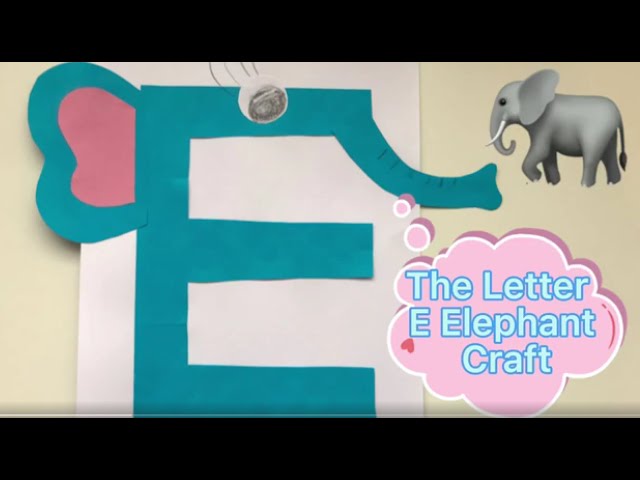
E is for Elephant Craft
This thematic craft combines letter recognition with animal identification. Estimated time: 25 minutes.
- Draw or print an elephant outline.
- Have children color the elephant.
- Cut out the elephant shape.
- Glue the elephant onto a piece of construction paper.
- Write the letter ‘E’ next to the elephant.
Nature Collage E
This craft encourages creativity and exploration of natural materials. Estimated time: 30 minutes.
- Gather various natural materials such as leaves, twigs, and small stones.
- Arrange the materials to create the letter E.
- Glue the materials onto a piece of construction paper or cardboard.
Pasta Letter E
This craft utilizes different pasta shapes to create a textured letter E. Estimated time: 20 minutes.
- Draw a large letter E on a piece of paper.
- Provide a variety of pasta shapes (e.g., penne, macaroni, farfalle).
- Have children glue the pasta onto the letter E outline.
- Paint the pasta for added visual appeal.
Edible Letter E
This craft involves creating the letter E using snacks or food items. Estimated time: 15 minutes
- Use pretzels, crackers, or fruit slices.
- Arrange the food items to form the letter E on a plate.
- Add other edible decorations as desired.
These letter E crafts for preschool provide a diverse range of engaging activities to aid in early literacy development. The hands-on nature of these crafts ensures that learning is both enjoyable and effective for young children. Remember to adapt the complexity of each project according to the children’s skill level and always supervise young children during craft activities.
The various materials and techniques used in these crafts cater to different learning styles and preferences. Providing a selection of options ensures that every child can find a craft that excites and engages them. The overall aim is to create a positive learning environment where children associate letter learning with fun and creativity.
Tips for Successful Letter E Crafts for Preschool
Implementing these tips can further enhance the effectiveness and enjoyment of these activities. Consider the age and abilities of the children involved when selecting crafts, adjusting the complexity as needed. Adult supervision and guidance are essential throughout the process to ensure safety and successful completion of the projects.
Creating a stimulating and supportive environment where children feel comfortable experimenting and expressing their creativity is paramount. Encourage collaboration and allow for individual expression within the framework of the craft activities.
- Prepare materials beforehand: Gather all necessary supplies before starting the activity to avoid interruptions.
Having all the materials ready will streamline the process, allowing children to focus on the craft rather than searching for items. This will also help minimize distractions and maintain their concentration throughout the activity.
Keep it simple: Choose crafts with straightforward instructions appropriate for preschoolers.
Overly complex instructions can frustrate young children. Simplicity will ensure that they can focus on the learning aspect and successfully complete the craft. Avoid intricate steps that may be overwhelming or lead to discouragement.
Encourage creativity: Allow children to personalize their crafts.
Let children explore their own creativity by adding their unique touches to the crafts. This fosters self-expression and promotes a sense of ownership over their creations. Do not restrict their creativity unless it compromises safety or the overall goal of the project.
Make it fun: Play music or sing songs while crafting.
Adding a fun element, such as music or songs, can create a more enjoyable atmosphere. This will make the learning process more engaging and increase the children’s overall positive experience. Choose music that is lively and appropriate for the age group.
Focus on process, not perfection: Emphasize participation and enjoyment over flawless results.
The focus should be on the learning process and the child’s participation, not on the final product’s perfection. This ensures that children enjoy the craft without pressure to produce a flawless result. Encourage children to celebrate their effort and creativity, regardless of the craft’s final appearance.
Clean-up time: Incorporate clean-up into the activity.
Make clean-up part of the activity to teach responsibility. This helps children understand the importance of tidying up after a project. Incorporate clean-up songs or games to make the process more engaging.
By incorporating these strategies, educators and caregivers can create a more positive and effective learning environment for preschoolers participating in letter E crafts. The process should be focused on enjoyable engagement, not just on the final outcome of the craft itself.
Remember that the primary goal is to foster a love of learning and reinforce the concept of the letter “E” in a fun and engaging way. Celebrate their creativity and effort, regardless of the final product’s appearance.
Frequently Asked Questions about Letter E Crafts for Preschool
These commonly asked questions address concerns about the implementation and effectiveness of letter E crafts in a preschool setting. Addressing these questions provides clarity and guidance for educators and caregivers interested in using these crafts to improve early literacy skills.
What are the benefits of using letter E crafts in preschool?
Letter E crafts offer several benefits, including enhanced letter recognition, improved fine motor skills development, increased engagement with the learning process, and boosted creativity. The tactile nature of the activities helps children internalize the letter’s shape and sound, while the creative aspect fosters self-expression and problem-solving skills. The hands-on approach makes learning more enjoyable and memorable for young children. These benefits contribute significantly to early literacy development.
How can I adapt these crafts for different age groups or skill levels within a preschool classroom?
Adapting the crafts is relatively straightforward. For younger or less skilled children, simplify the steps, offer more assistance, and use larger, easier-to-manipulate materials. For older or more skilled children, add complexity by introducing more intricate designs, diverse materials, or challenging techniques. Differentiation ensures that every child can participate meaningfully and successfully complete the crafts.
What materials are commonly used in letter E crafts?
Common materials include construction paper, paint, glue, crayons, markers, scissors, recycled materials (such as egg cartons), playdough, natural materials (leaves, twigs), and food items. The versatility of materials ensures accessibility and allows for customization based on availability and the specific craft chosen. These materials provide a wide range of sensory experiences to enhance the learning process.
How can I assess the effectiveness of these crafts in promoting letter recognition?
Observe children’s engagement and interaction during and after the craft activities. Assess their ability to identify and name the letter E in different contexts. Use informal assessments, such as questioning, and observe their application of knowledge in other learning activities. Informal assessment methods provide valuable insights into individual learning progress and allow for timely adjustments to teaching strategies.
Implementing these letter E crafts effectively requires thoughtful planning and consideration of the individual needs of each preschooler. The ultimate goal is to create a positive learning experience that fosters a love of learning and boosts early literacy skills.
These activities contribute significantly to a child’s pre-reading skills and overall development. The combination of fun and learning makes these crafts particularly effective in a preschool setting.
Key Aspects of Effective Letter E Crafts for Preschool
Focusing on these key elements ensures that the crafts are engaging, effective, and beneficial for young learners. These aspects, when carefully considered, optimize learning outcomes and overall engagement with the activity. Consider these factors to maximize the educational value of the crafts.
Engagement
Engaging activities capture children’s attention and motivate them to participate actively. Engaging crafts use bright colors, interesting textures, and exciting themes to appeal to young children. High levels of engagement lead to better learning and retention of information.
Development
The crafts should contribute to the development of essential skills. These crafts promote fine motor skills, hand-eye coordination, and creativity. The process of cutting, gluing, and decorating enhances these skills while reinforcing letter recognition.
Relevance
Connecting the crafts to the children’s everyday lives enhances understanding and application. Connecting the letter E to everyday objects or experiences like elephants or eggs increases the child’s comprehension of its relevance. This relevance makes the learning process more meaningful.
Creativity
Allowing children to express their creativity makes the experience more fulfilling. Encouraging creativity through open-ended activities allows children to personalize their projects. This promotes self-expression and builds confidence.
Simplicity
Simple instructions ensure that the crafts are accessible to all children. Simple instructions and readily available materials make these crafts achievable for preschoolers with various skill levels. This accessibility ensures that everyone can participate and feel a sense of accomplishment.
By focusing on these key aspects, educators can design and implement letter E crafts that are both effective and engaging for preschool children. The combined impact of these factors ensures a high-quality learning experience.
The success of these crafts lies in their ability to combine fun, engagement, and educational value. Remember to adjust and adapt these guidelines based on the specific needs and developmental levels of the children.
In conclusion, letter E crafts for preschool represent a valuable tool for fostering early literacy development. These engaging and effective activities provide a fun and interactive way to teach young children about the letter E, enhancing their cognitive and motor skills while nurturing their creativity.
Youtube Video: