 Cyrille Patenaude
 Ocean animal preschool crafts offer a fantastic way to engage young children in creative learning. These hands-on activities combine fun with educational benefits, fostering creativity, fine motor skills, and knowledge about marine life. Through diverse projects, children can explore different ocean creatures and learn about their habitats and characteristics, all while developing essential preschool skills. The process itself encourages problem-solving and imaginative expression, making it a valuable addition to any early childhood curriculum. Ocean animal preschool crafts are a valuable tool for educators and parents alike.
The inherent appeal of ocean animals for young children makes these crafts particularly engaging. The vibrant colors, diverse shapes, and fascinating characteristics of creatures like jellyfish, starfish, and dolphins capture children’s imaginations. This inherent interest fuels their engagement in the craft activities, enhancing their learning experience. Furthermore, the tactile nature of many craft projects painting, gluing, cutting contributes to the development of fine motor skills crucial for writing and other developmental milestones. The educational component is equally important; creating these crafts provides opportunities to discuss ocean conservation, animal habitats, and the importance of marine ecosystems.
The versatility of ocean animal preschool crafts allows for adaptation to different skill levels and learning styles. Simpler crafts can be tailored for younger children, while more complex projects can challenge older preschoolers. The use of various materials from paper plates and construction paper to recycled materials allows for creative exploration and promotes resourcefulness. Ultimately, the value lies in the holistic development it offers, combining playful creativity with educational enrichment. The tactile nature of these crafts provides sensory exploration.
Ocean Animal Preschool Craft Projects and Guidelines
The following examples provide a range of ocean animal crafts suitable for preschoolers, incorporating diverse techniques and materials. These projects are designed to be engaging, adaptable, and developmentally appropriate, offering a blend of creativity and learning. Each craft includes a suggested timeframe, though this may vary depending on children’s skill levels and individual needs. Remember to prioritize safety and supervision during all craft activities.
Paper Plate Fish
Estimated time: 20-30 minutes. This simple craft utilizes readily available materials to create colorful fish. Children learn basic cutting and gluing skills.
- Paint a paper plate with scales and allow it to dry.
- Cut out a triangle for the tail and fins.
- Glue the tail and fins onto the paper plate.
- Add googly eyes and other details like glitter.
Octopus from a Jar Lid
Estimated time: 15-25 minutes. This craft uses a recycled jar lid to create an adorable octopus. It encourages creativity and fine motor skill development.
- Paint a jar lid purple or another bright color.
- Cut out eight strips of construction paper for the tentacles.
- Attach the tentacles to the jar lid using glue.
- Add googly eyes.
Salt Dough Starfish
Estimated time: 45-60 minutes (including drying time). This project introduces children to a new material salt dough while developing fine motor skills and creativity.
- Mix salt dough (flour, salt, water).
- Roll out the dough and cut out a starfish shape.
- Bake until hardened.
- Decorate with paint and glitter.
Handprint Crab
Estimated time: 15-20 minutes. This simple craft uses handprints to create a unique crab. It’s a quick and fun project for children of all skill levels.
- Trace the child’s hand on construction paper.
- Cut out the handprint.
- Add legs, eyes, and claws using markers or crayons.
Toilet Paper Roll Jellyfish
Estimated time: 10-15 minutes. This craft uses recycled materials, promoting environmental awareness and creativity. Children practice gluing and decorating skills.
- Paint a toilet paper roll.
- Cut out strips of tissue paper or crepe paper.
- Glue the paper strips to the bottom of the toilet paper roll to create tentacles.
- Add googly eyes.
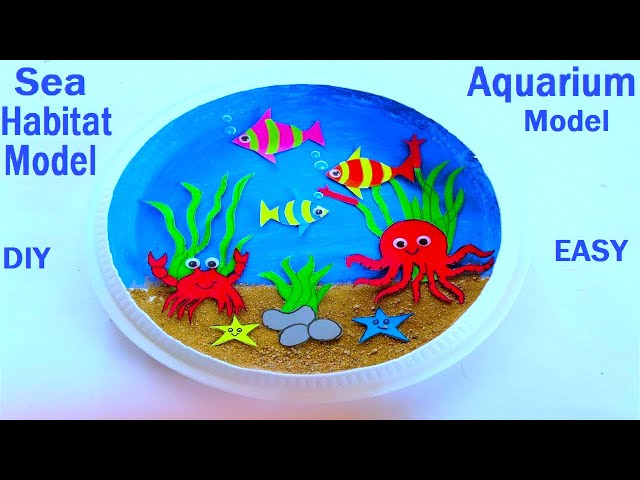
Seashell Ocean Scene
Estimated time: 20-30 minutes. This craft encourages children to use their creativity and explore texture. It also introduces them to different types of seashells.
- Glue collected seashells onto a piece of blue construction paper.
- Draw and color seaweed and other ocean elements.
- Add fish and other ocean animals cut from construction paper.
Ocean animal preschool crafts provide a unique opportunity to blend creative expression with early childhood education. The projects discussed offer a starting point; they can be modified and expanded upon to meet the diverse needs and interests of preschoolers. Encouraging creativity and exploration should be the central goals, fostering a positive learning environment.
The success of these crafts depends largely on the quality of the materials used and the level of adult supervision provided. Using vibrant colors and textures enhances the overall experience, captivating young children’s imaginations. The process itself provides valuable opportunities for children to develop their fine motor skills, artistic expression, and knowledge of the ocean world. Engaging with ocean-themed activities can spark a lifelong appreciation for marine conservation.
Tips for Successful Ocean Animal Preschool Crafts
Creating successful and engaging ocean animal preschool crafts involves careful planning and execution. Considering the age and skill level of the children involved is crucial. Adapting the complexity of projects is key to ensuring success and fostering a positive learning experience for every child.
Remember to prioritize safety and supervision throughout the process. Selecting age-appropriate materials and techniques is essential for ensuring a safe and enjoyable experience. Preparing the workspace in advance helps minimize interruptions and distractions, allowing for a more focused craft session. Providing clear and concise instructions simplifies the process and minimizes potential frustration.
-
Age-Appropriate Projects:
Choose crafts suitable for the children’s skill levels. Simpler projects for younger children and more complex ones for older preschoolers ensure engagement and prevent frustration. Consider fine motor skills and attention spans when making your selection. Modifying projects to meet individual needs is also a positive way to foster success.
-
Safe Materials:
Select non-toxic paints, glues, and other craft supplies. Ensure all materials are age-appropriate and free from small parts that could pose a choking hazard. Prioritize safety and supervise children closely during the entire crafting process. Carefully select materials to avoid any potential allergic reactions.
-
Clear Instructions:
Provide step-by-step instructions that are easy to understand and follow. Using visual aids like pictures or demonstrations can be particularly helpful for younger children. Maintain clear communication and provide support as needed to avoid confusion and frustration among the participants.
-
Creative Freedom:
Encourage creativity and self-expression. Allow children to personalize their crafts and make their own choices about colors, designs, and embellishments. This fosters a sense of ownership and pride in their work. Open-ended instructions provide opportunities for individuality and creative exploration.
-
Clean-Up Procedures:
Establish clear clean-up procedures before beginning the craft. Children should be involved in the clean-up process to instill responsibility and promote a tidy learning environment. Prepare designated areas for discarding waste and storing materials. Implementing a systematic clean-up helps to maintain an organized and efficient craft session.
By following these tips, educators and parents can create a fun, educational, and successful craft experience for preschool children. The key is to create a positive and encouraging atmosphere, allowing children to explore their creativity and learn about the ocean world. The result will be not only beautiful crafts but also a deeper appreciation for marine life.
Remember that the process is just as important as the finished product. The collaborative and creative aspect of ocean animal preschool crafts greatly enhances the overall experience. Focusing on the enjoyment and learning that occurs throughout the process promotes a positive engagement with learning itself.
Frequently Asked Questions about Ocean Animal Preschool Crafts
The following are some common questions related to organizing and implementing ocean animal preschool crafts. Addressing these questions proactively ensures smooth planning and execution, enhancing the overall craft experience.
What are the educational benefits of ocean animal preschool crafts?
Ocean animal preschool crafts offer numerous educational benefits. They enhance fine motor skills through activities like cutting, gluing, and painting. They encourage creativity and imaginative play as children design and decorate their crafts. Furthermore, these crafts provide opportunities to learn about marine life, habitats, and ocean conservation, making learning engaging and enjoyable. The activities contribute to cognitive development and increase knowledge retention. The hands-on approach makes the learning process fun and interactive.
What materials are commonly used in ocean animal preschool crafts?
A wide variety of materials can be used. Common choices include construction paper, paint, glue, markers, crayons, googly eyes, and recycled materials like toilet paper rolls and egg cartons. Seashells, buttons, and other small objects can also add texture and interest. The selection of materials should be determined by the specific craft and the age of the children involved, always ensuring safety and non-toxicity.
How can I adapt ocean animal preschool crafts for different skill levels?
Adaptation is key to success. Simpler projects like handprint fish or paper plate crabs are suitable for younger children, while more complex crafts, such as salt dough sculptures or intricate collages, are better suited for older preschoolers. Modify instructions, provide assistance as needed, and focus on the process rather than a perfect outcome. Encouraging participation and celebrating effort reinforces positive learning experiences for all skill levels.
How can I incorporate ocean conservation themes into ocean animal preschool crafts?
Incorporate conservation by using recycled materials, discussing the importance of protecting marine life, and highlighting the impact of pollution on the ocean. Children can create posters or artwork promoting ocean conservation. This approach teaches valuable life lessons and encourages responsible environmental stewardship. It provides an opportunity to discuss the impact of human activities on ocean ecosystems.
What are some ways to make ocean animal preschool crafts more engaging?
Enhance engagement by adding sensory elements, such as textured materials or scented paints. Use vibrant colors and interesting themes. Incorporate storytelling and interactive elements into the craft session to capture and maintain attention. Celebrate individual creativity and encourage children to share their work and ideas. Creating a collaborative atmosphere can increase excitement and engagement.
Ocean animal preschool crafts offer a wonderful opportunity to combine learning with fun. By carefully planning and executing these activities, educators and parents can provide a stimulating and rewarding experience for preschool children. The benefits extend beyond the creation of the crafts themselves, impacting cognitive, social, and emotional development.
The versatility and adaptability of these crafts allow for customization and modification to suit various learning styles and developmental stages. The focus should always be on nurturing creativity, fostering fine motor skills, and instilling a love for the ocean and its inhabitants.
Key Aspects of Ocean Animal Preschool Crafts
Analyzing ocean animal preschool crafts from a noun perspective reveals several key aspects: the activities themselves, the materials used, the skills developed, the learning outcomes, and the overall impact on early childhood development. Each of these contributes to the success and effectiveness of these enriching experiences.
Activities
The core of ocean animal preschool crafts lies in the hands-on activities themselves. These encompass a wide range from painting and gluing to cutting, sculpting, and assembling. Each activity contributes to different developmental areas and promotes various skill sets in children. The choice of activity is crucial to ensuring engagement and age-appropriateness. Adapting and modifying activities based on children’s skill levels is equally essential to their success.
Materials
The materials used are crucial in ensuring both safety and effectiveness. Non-toxic, age-appropriate materials are essential. The choice of materials also influences the overall aesthetic appeal and can promote creativity. Using recycled materials promotes environmental awareness and resourcefulness. Variety in texture and color can enhance the sensory engagement of the activity.
Skills
Developing crucial skills is a key benefit. These encompass fine motor skills (hand-eye coordination, dexterity), creative thinking, problem-solving, and artistic expression. The development of these skills is crucial for overall development and impacts various future academic achievements. The process of creating the crafts itself provides practice and reinforcement for various important skills.
Learning
The learning outcomes are multifaceted. Children acquire knowledge about marine life, habitats, and conservation. The crafts also promote vocabulary development and enhance cognitive skills. The learning experience is both engaging and impactful, leading to long-term knowledge retention. Creating a connection between hands-on learning and academic concepts enhances the learning process.
Impact
The impact on early childhood development is significant. It promotes creativity, self-expression, and cognitive development. The positive social interactions fostered during collaborative craft sessions are equally beneficial. The sensory experiences enhance learning and engagement. The crafts help boost children’s confidence and self-esteem.
The diverse elements working together to form a whole illustrates the value of this approach. Each component contributes significantly to the overall educational and developmental benefits. Combining practical skills development with academic learning makes it a valuable and effective tool in early childhood education.
Ultimately, ocean animal preschool crafts are not just about creating cute animals; they are about fostering a holistic learning environment. The combined effect of engaging activities, suitable materials, skill development, and knowledge acquisition leads to significant positive impacts on young children’s growth and development.
In conclusion, the multifaceted nature of ocean animal preschool crafts makes them a valuable resource for early childhood education. The strategic use of these creative activities contributes significantly to a child’s holistic development, fostering crucial skills and knowledge.
Youtube Video: