 Cyrille Patenaude
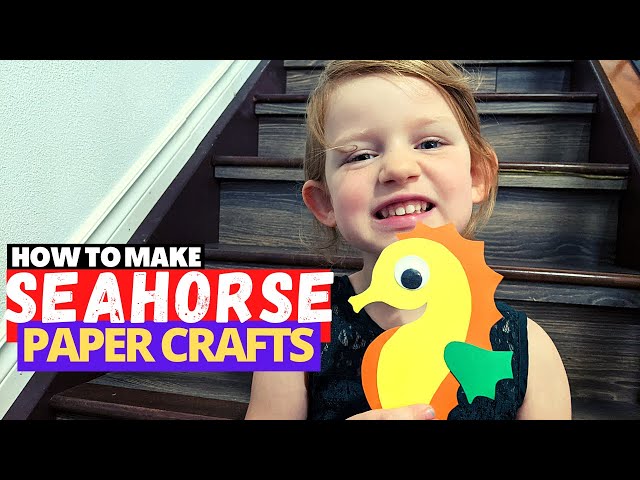
 Seahorse preschool crafts offer a delightful way to engage young children in creative activities, fostering their fine motor skills, imagination, and appreciation for marine life. These projects provide opportunities for learning about seahorses’ unique characteristics while encouraging hands-on exploration. A variety of materials and techniques can be used, making seahorse crafts adaptable to different skill levels and classroom settings. The benefits extend beyond simple craft-making; they provide valuable learning experiences that are both fun and educational. Through these activities, children can develop essential skills and build upon their existing knowledge.
Seahorse preschool crafts are particularly effective because they blend artistic expression with educational opportunities. Children learn about seahorses’ physical attributes, habitats, and behaviors while engaging in creative processes. The hands-on nature of the crafts enhances learning by providing a tactile and sensory experience. This multi-sensory approach caters to various learning styles, making the experience more engaging and memorable for all children. The finished products can be used as decorations, gifts, or even incorporated into other classroom projects.
The versatility of seahorse-themed crafts allows for adaptation to various skill levels and classroom settings. Simple projects can be designed for younger children, while more complex crafts can challenge older preschoolers. The use of readily available materials keeps costs low and minimizes preparation time. This makes seahorse crafts a practical and effective tool for educators looking to enhance their curriculum. The positive learning outcomes outweigh the effort and cost, making these projects a valuable addition to any preschool program.
Seahorse Preschool Craft Projects and Guidelines
The following examples illustrate the diverse range of seahorse preschool crafts possible, each providing unique opportunities for learning and creative expression. These projects cater to different skill levels and utilize a variety of materials readily accessible in most preschool settings. Detailed instructions are provided to guide educators and caregivers in facilitating these enriching activities. Remember to always prioritize safety and supervise young children during craft time.
Paper Plate Seahorse
(Estimated time: 20 minutes) This simple craft uses readily available materials to create a charming seahorse. Children will develop fine motor skills through cutting, gluing, and decorating.
- Cut a paper plate in half.
- Cut a small triangle from the bottom of the half-plate for the tail.
- Glue on construction paper cutouts for the eyes, fins, and mane.
- Decorate with markers, glitter, or paint.
Pipe Cleaner Seahorse
(Estimated time: 15 minutes) This craft helps children develop hand-eye coordination as they manipulate the pipe cleaners to create the seahorse’s shape. The vibrant colors of the pipe cleaners also stimulate visual engagement.
- Bend a pipe cleaner into a seahorse shape.
- Add smaller pipe cleaners for the tail and fins.
- Attach googly eyes.
Salt Dough Seahorse
(Estimated time: 30 minutes + drying time) This project allows for creative expression through sculpting and decorating. The salt dough provides a tactile experience and the finished product can be kept as a keepsake.
- Mix salt dough (flour, salt, water).
- Shape the dough into a seahorse.
- Bake until hardened.
- Paint and decorate.
Toilet Paper Roll Seahorse
(Estimated time: 25 minutes) This craft uses recycled materials, promoting environmental awareness while fostering creativity. Children can explore different decorative techniques to personalize their seahorses.
- Decorate a toilet paper roll.
- Cut out fins and a tail from construction paper.
- Glue the fins and tail onto the roll.
- Add googly eyes.
Cotton Ball Seahorse
(Estimated time: 20 minutes) This simple craft allows young children to practice fine motor skills and explore textures. The soft cotton balls provide a sensory experience, making it particularly engaging for toddlers.
- Glue cotton balls onto a piece of construction paper to form the seahorse’s body.
- Add construction paper cutouts for the eyes, fins and tail.
Handprint Seahorse
(Estimated time: 15 minutes) This craft utilizes children’s handprints to create the unique body of the seahorse. It’s a fun and easy way to personalize the craft while creating a lasting memory.
- Trace a child’s hand on construction paper.
- Cut out the handprint.
- Add details like eyes, fins, and a tail using markers or other craft supplies.
Egg Carton Seahorse
(Estimated time: 25 minutes) This craft uses recycled egg cartons, promoting sustainable practices while enabling creative expression. The textured surface of the egg carton adds an interesting element to the finished craft.
- Cut out individual sections from an egg carton.
- Shape and glue them together to form the seahorse’s body.
- Paint and decorate the seahorse.
- Add details like eyes, fins, and a tail.
Bead Seahorse
(Estimated time: 30 minutes) This craft involves stringing beads onto pipe cleaners, helping to develop fine motor skills and color recognition. The finished product can be used as a keyring or ornament.
- Cut a pipe cleaner to desired length.
- String beads onto the pipe cleaner, creating the seahorse’s body and tail.
- Bend the pipe cleaner to form the seahorse’s shape.
- Add details such as googly eyes.
These seahorse-themed craft activities provide preschoolers with opportunities to develop creativity, fine motor skills, and problem-solving abilities. The use of diverse materials enhances sensory experiences and encourages imaginative play. Moreover, the integration of learning about seahorses adds an educational dimension to these enjoyable activities.
The success of these crafts relies on the careful selection of materials, clear instructions, and adequate supervision. Providing a positive and encouraging environment is crucial to ensuring children have a positive and rewarding crafting experience. Adapting the complexity of the projects to suit the age and abilities of the children is also essential for maximizing engagement and learning outcomes.
Tips for Successful Seahorse Preschool Crafts
Creating engaging and educational seahorse preschool crafts requires thoughtful planning and execution. By following these tips, educators can ensure a positive and successful crafting experience for all participants. Remember, the goal is to foster creativity and learning in a fun and supportive environment.
-
Prepare Materials in Advance:
Gather all necessary materials before starting the craft activity. This ensures a smooth workflow and minimizes interruptions. Pre-cutting shapes or preparing paint palettes can significantly reduce the time spent on preparation and allow for more focused craft time.
-
Choose Age-Appropriate Projects:
Select crafts that match the developmental abilities of the preschoolers. Younger children may benefit from simpler projects with fewer steps, while older children can handle more complex designs. This ensures that all children can participate and feel a sense of accomplishment.
-
Emphasize Process Over Product:
Focus on the creative process rather than achieving a perfect outcome. Encourage experimentation and self-expression. The goal is to foster a love of creating, not to produce identical finished products.
-
Provide Clear Instructions:
Give step-by-step instructions that are easy to understand. Use visual aids or demonstrations to help clarify the process. Break down complex steps into smaller, manageable tasks to avoid overwhelming the children.
-
Encourage Collaboration:
Facilitate collaborative activities where children work together to complete a larger project. This encourages teamwork, communication, and sharing. Group projects can also foster a sense of community and shared accomplishment.
-
Promote Creativity and Individuality:
Encourage children to personalize their crafts. Allow them to choose colors, patterns, and decorative elements that reflect their individual preferences. This fosters self-expression and builds confidence.
-
Clean Up Together:
Make clean up a collaborative activity. Involve children in the process of tidying up their workspaces. This promotes responsibility and teaches practical life skills.
By incorporating these tips, educators can create a positive and productive craft environment. The focus should always remain on fostering creativity, fine motor skill development, and a love of learning through hands-on activities. Remember to adjust the complexity and pace to suit the needs of the children involved.
The success of seahorse preschool crafts is not solely dependent on the final product; rather, it stems from the engagement, learning, and enjoyment derived from the process itself. These activities provide a valuable platform for holistic development and should be embraced as opportunities for learning and fun.
Frequently Asked Questions about Seahorse Preschool Crafts
Educators and caregivers often have questions regarding the planning and execution of seahorse preschool crafts. Addressing these common concerns can ensure a smooth and successful crafting experience. Providing clear answers and addressing potential challenges proactively enhances the overall effectiveness of these activities.
What are the benefits of seahorse preschool crafts?
Seahorse preschool crafts offer a multitude of benefits for young children. They improve fine motor skills through activities like cutting, gluing, and painting. They stimulate creativity and imagination, encouraging children to express themselves artistically. Furthermore, they provide educational opportunities by introducing children to seahorses and their unique characteristics, expanding their knowledge of marine life. Finally, they foster a sense of accomplishment and pride in creating something with their own hands.
What materials are commonly used in seahorse preschool crafts?
A wide variety of materials can be used to create seahorse crafts, depending on the chosen project. Common materials include construction paper, pipe cleaners, paint, glue, googly eyes, recycled materials like egg cartons and toilet paper rolls, felt, cotton balls, and more. The versatility of available materials makes seahorse crafts adaptable and accessible.
How can I adapt seahorse crafts for different age groups?
Adapting crafts for different age groups is crucial for ensuring engagement and success. For younger children, simpler projects with fewer steps and larger pieces are ideal. Older children can tackle more complex designs and finer details. Always prioritize safety and supervise children carefully during craft time, adapting the complexity to the child’s skill level and ensuring they are appropriately challenged and supported.
How can I make seahorse crafts more engaging?
Making seahorse crafts more engaging involves incorporating various elements. Use vibrant colors and textures to stimulate the senses. Introduce storytelling or facts about seahorses to add an educational dimension. Encourage collaborative projects and allow for individual expression and personalization. Make the craft time fun and enjoyable to foster a positive learning experience.
What are some ways to incorporate learning into seahorse preschool crafts?
Integrating learning into seahorse crafts is easily achieved. You can discuss seahorse habitats, their unique features (like their prehensile tails), and their role in the ocean ecosystem while the children are making their crafts. Reading books about seahorses before or after the activity enhances the learning experience. Show pictures or videos of seahorses to further engage the children and build their knowledge.
Careful planning and execution are crucial for maximizing the benefits of seahorse preschool crafts. By considering the children’s developmental stages and utilizing readily available materials, educators can ensure these activities provide enriching and engaging experiences. The positive impact on creativity, fine motor skills, and knowledge acquisition makes these crafts a valuable addition to any preschool curriculum.
Through thoughtful planning and execution, seahorse preschool crafts can become a valuable tool for educators seeking to provide engaging and enriching experiences for young children. The versatility and adaptability of these crafts, combined with their educational and developmental benefits, ensure their continued relevance and popularity in preschool settings.
Key Aspects of Seahorse Preschool Crafts
Considering the noun “crafts” as the main point, several key aspects emerge, highlighting the diverse components, implications, and connections within the topic. These aspects collectively contribute to a rich and valuable learning experience for preschoolers.
Materials
The selection of materials is crucial, impacting the craft’s complexity, cost-effectiveness, and sensory experience. The choice ranges from readily available materials like paper plates and pipe cleaners to more specialized items like salt dough or beads. The variety available allows for adaptation to different budgets and skill levels. The textures and colors of materials also influence childrens engagement.
Process
The step-by-step process guides children through the creation, building fine motor skills and problem-solving abilities. Each step is an opportunity for learning, whether it’s cutting, gluing, painting, or sculpting. The structured process, however, should leave space for children’s creativity and individual expression.
Creativity
Encouraging creativity and self-expression is paramount. Children should be allowed to personalize their crafts, choosing colors, patterns, and designs. This fosters self-esteem and confidence. The process should be designed to encourage experimentation and exploration, not strict adherence to a template.
Learning
Integrating learning about seahorses into the crafting process enhances the educational value. Children learn about the seahorse’s physical characteristics, habitat, and behaviour. The craft becomes a tool for knowledge acquisition, making learning more engaging and fun.
Development
Seahorse preschool crafts foster holistic development in children. They improve fine motor skills, hand-eye coordination, and problem-solving abilities. They also stimulate creativity, imagination, and self-expression. The positive impact on cognitive and physical development is significant.
The multifaceted nature of seahorse preschool crafts makes them a powerful tool for early childhood education. Each componentmaterials, process, creativity, learning, and developmentplays a vital role in creating a positive and enriching experience for young children.
Successfully implementing seahorse preschool crafts requires careful consideration of these key aspects. By creating a supportive environment that encourages both creativity and learning, educators can provide invaluable experiences for preschoolers. The holistic development fostered through these activities ensures long-term benefits for childrens learning and development.
In conclusion, seahorse preschool crafts offer a unique blend of artistic expression, educational enrichment, and developmental benefits for young children. Through careful planning and thoughtful execution, these activities can become a cornerstone of any engaging and successful preschool program.
Youtube Video: